Memories
SP'26
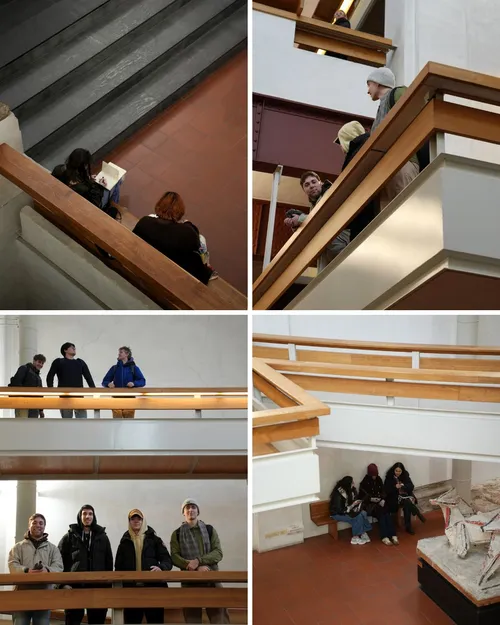
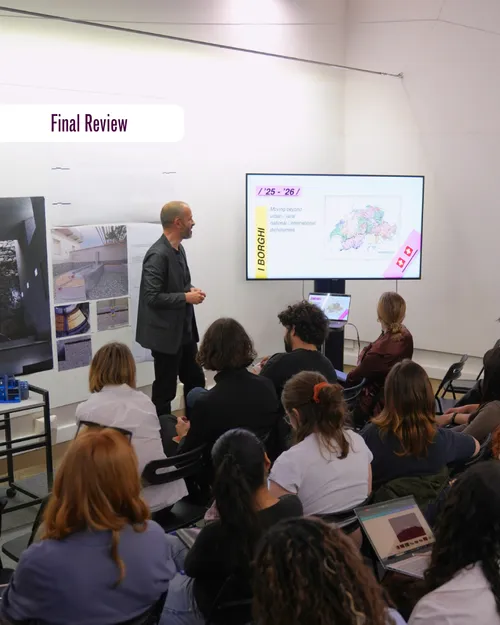
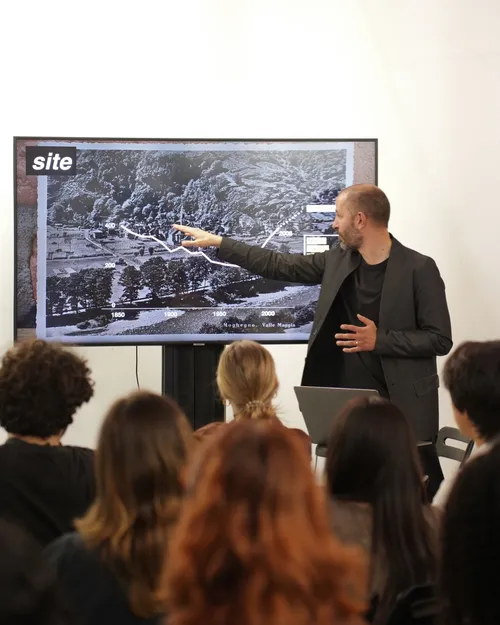
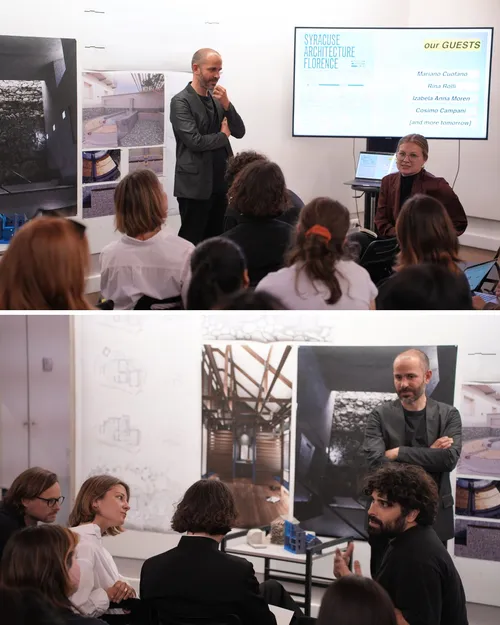
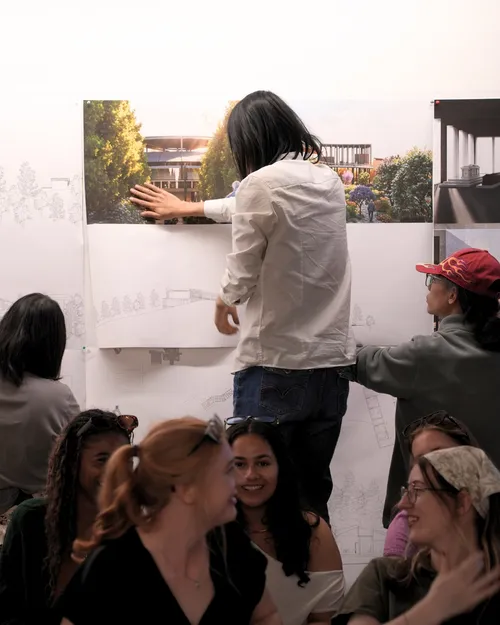
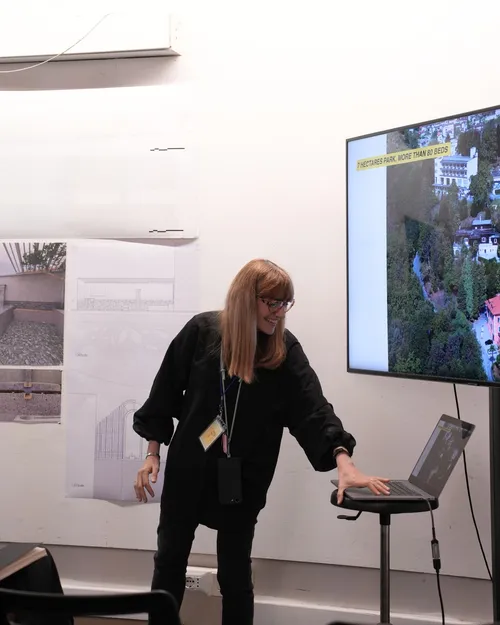
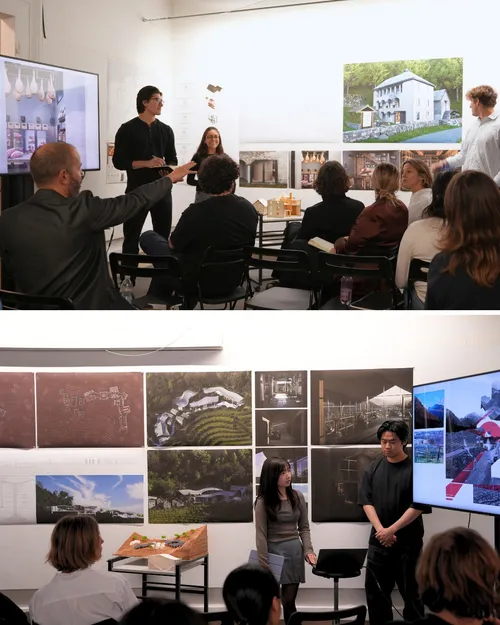
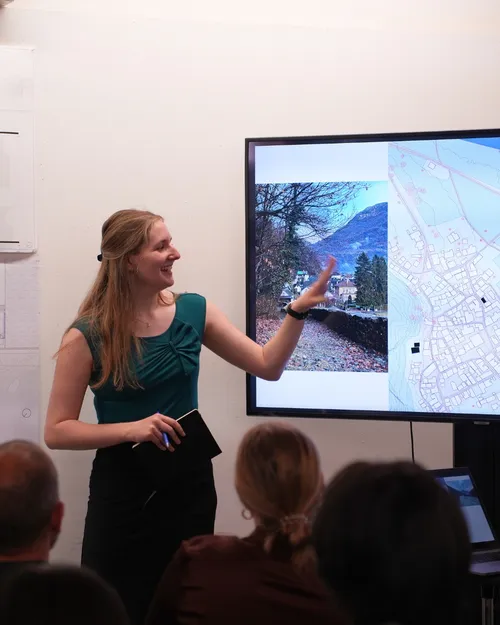
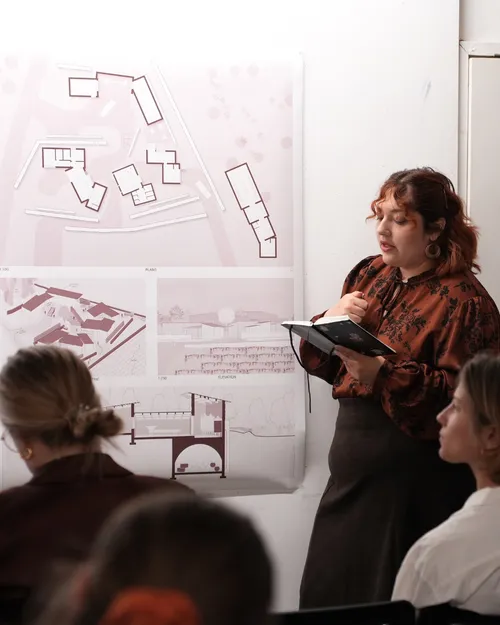
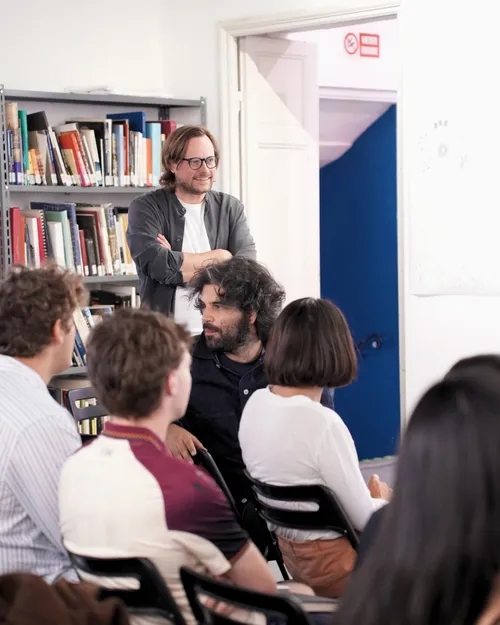
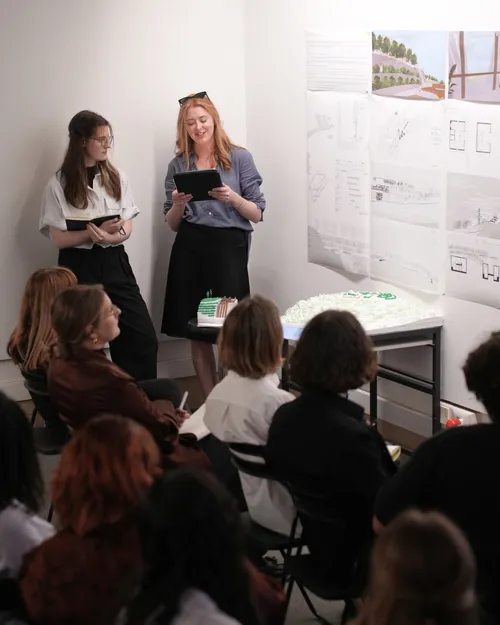
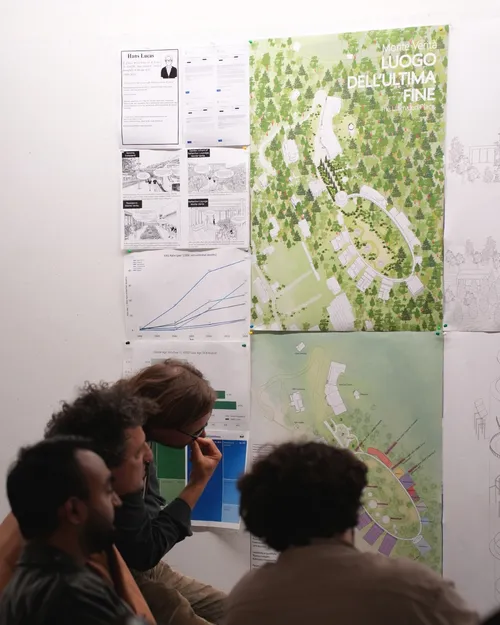
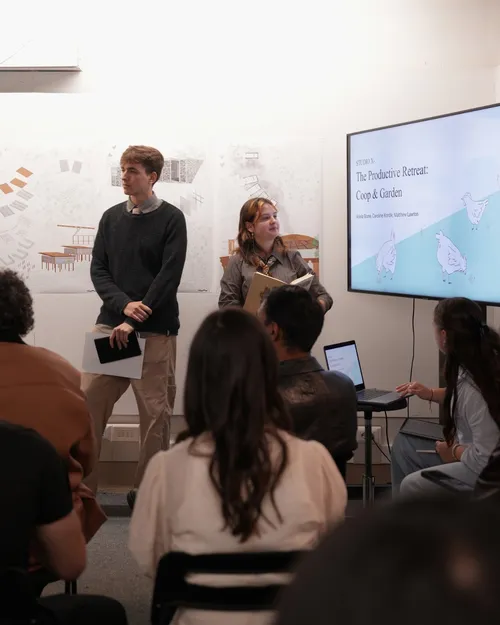
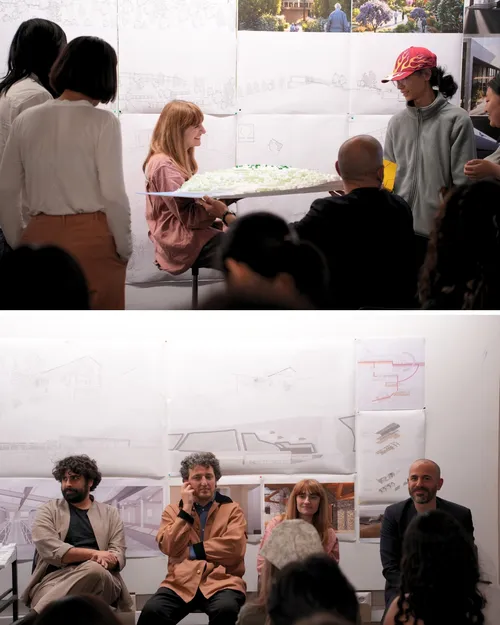
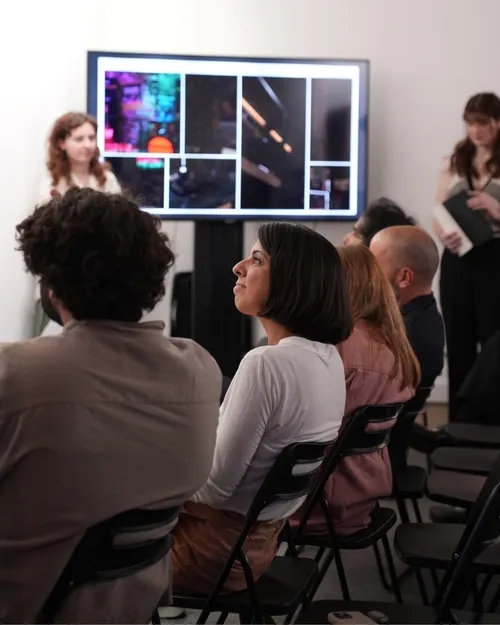
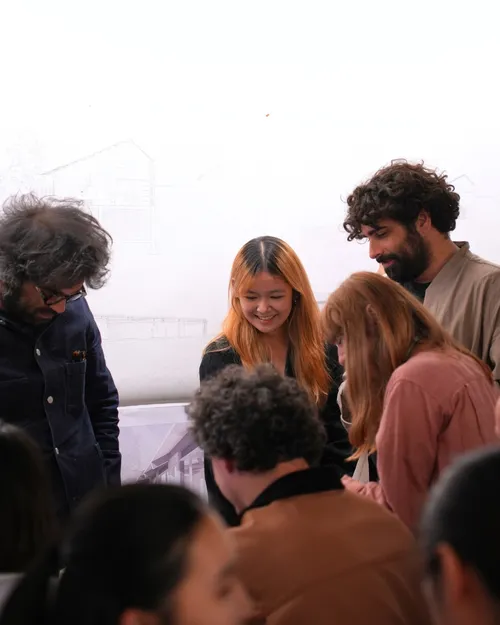
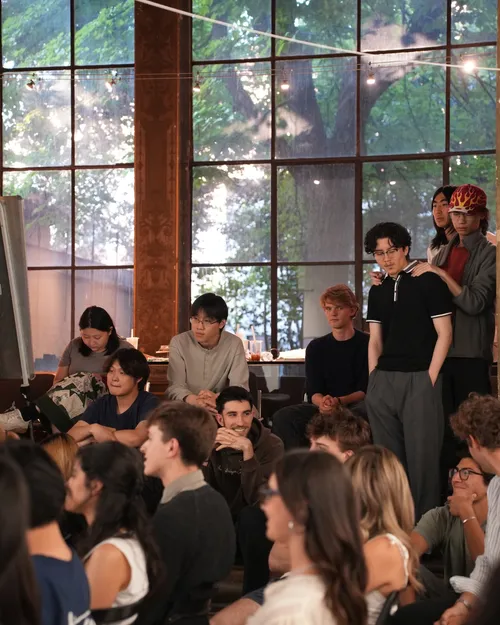
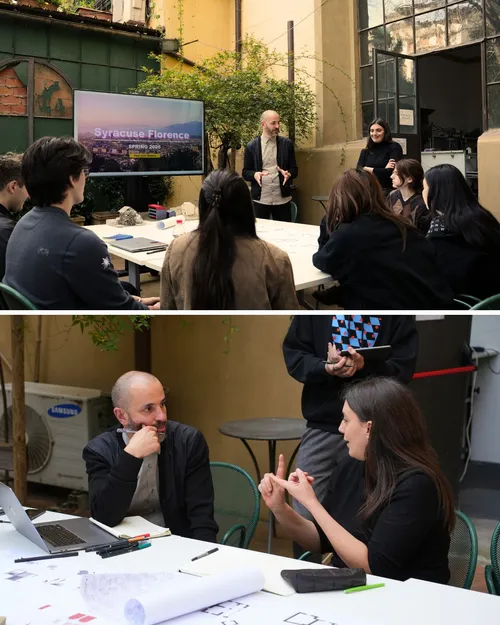
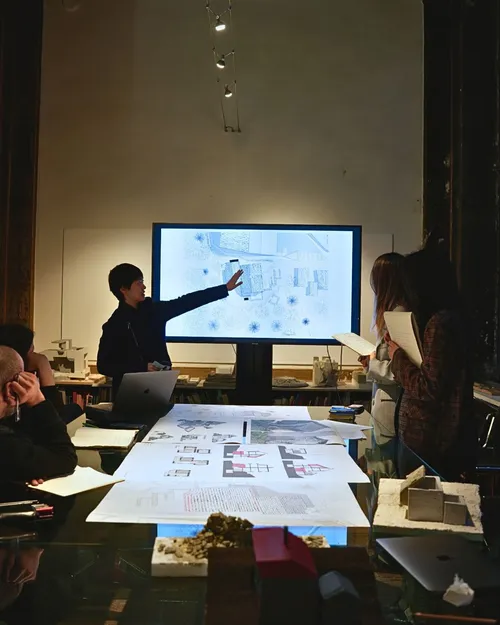
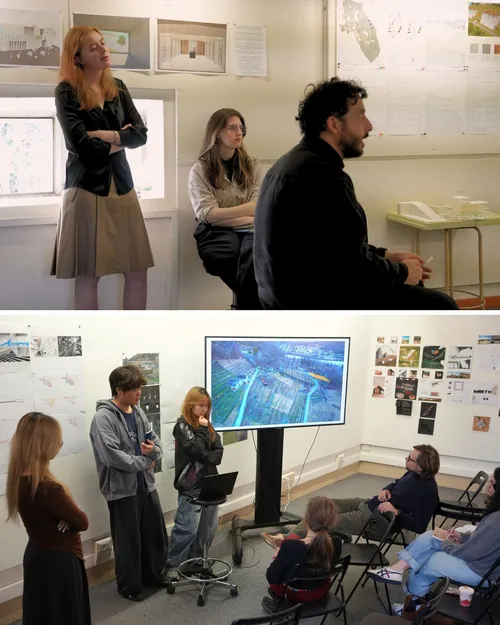
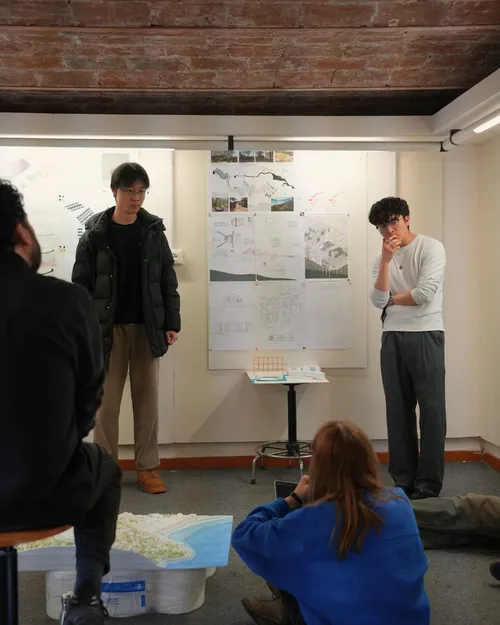
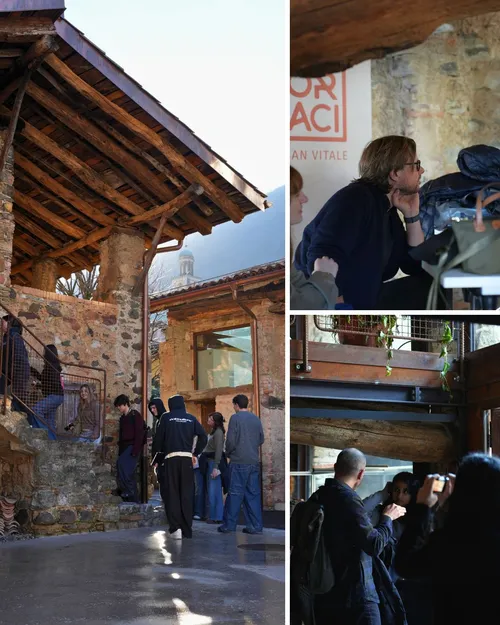
Celebrating the end of the semester with our studio finals! We wrapped up Spring 2026 with two days of thoughtful reviews of our ARC407 projects. Studios presented projects engaging the borghi of Ticino through questions of territorial entanglement, adaptive reuse, hospitality, productive landscapes, and contemporary forms of living across the Swiss-Italian border. Congratulations to our students for their thoughtful and ambitious work this semester! Thank you to our invited guests for your generous and constructive feedback: @mariano_cuofano (Mariano Cuofano), @ofreia_architecture (Rina Rolli), @acquafrizzante_ (Izabela Anna Moren), @cosimokr (Cosimo Campani), @marghegram (Margherita Manfra), @lucamoscelli (Buro Mosa), and @_lemonot (Lorenzo Perri) — always a pleasure to think alongside you. A special thanks to our studio instructors @daniele_profeta, @lucaponsi, and @angigliotti for guiding us through the semester.
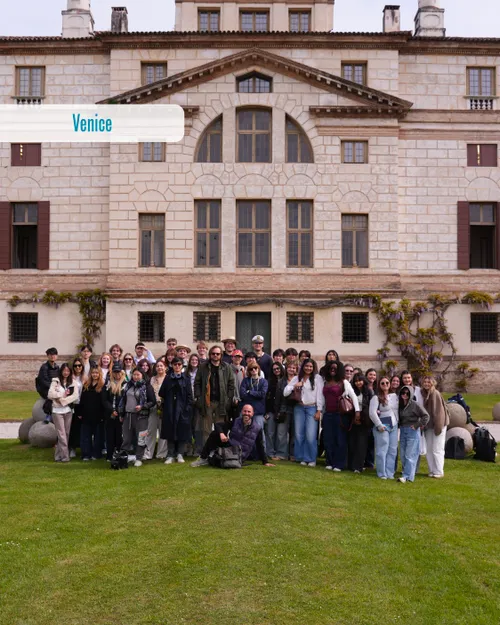
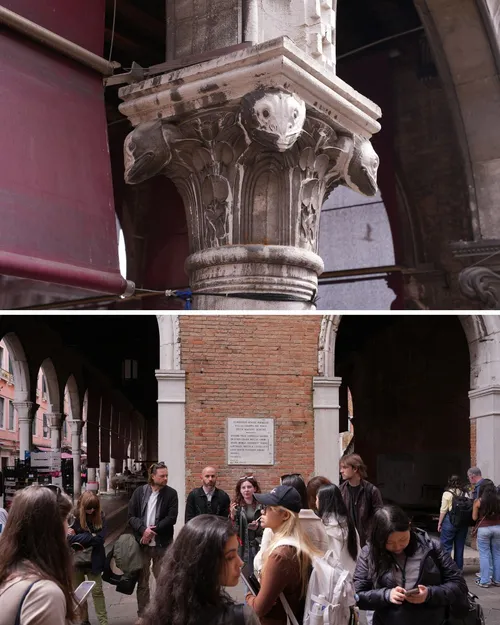
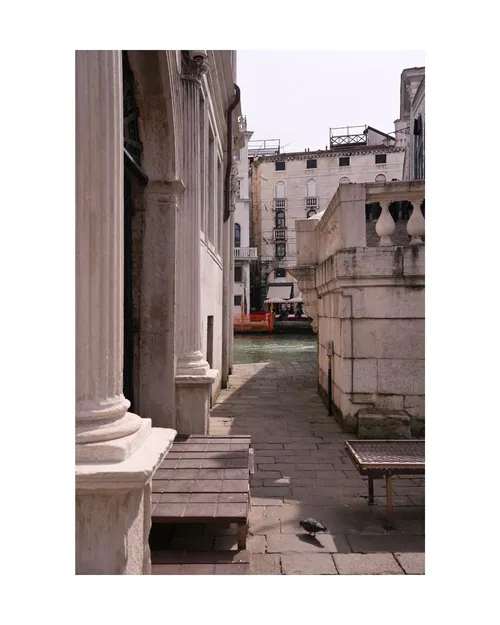
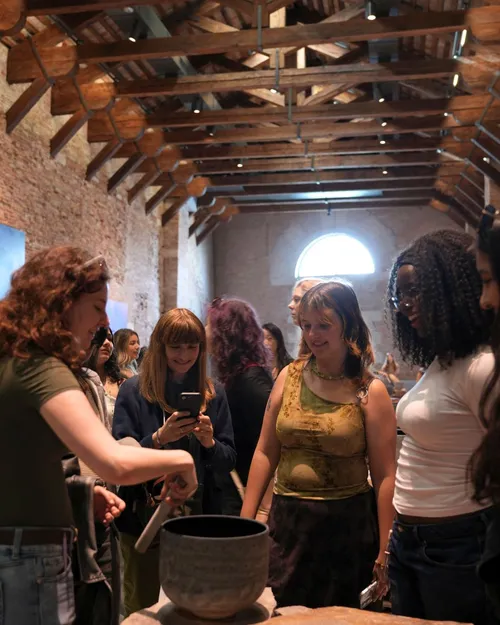
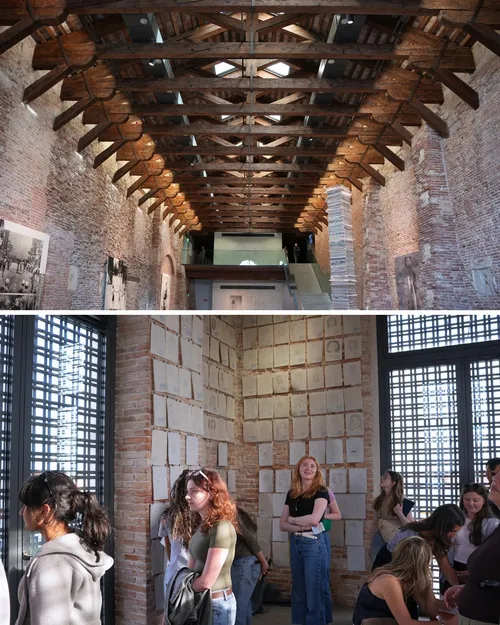
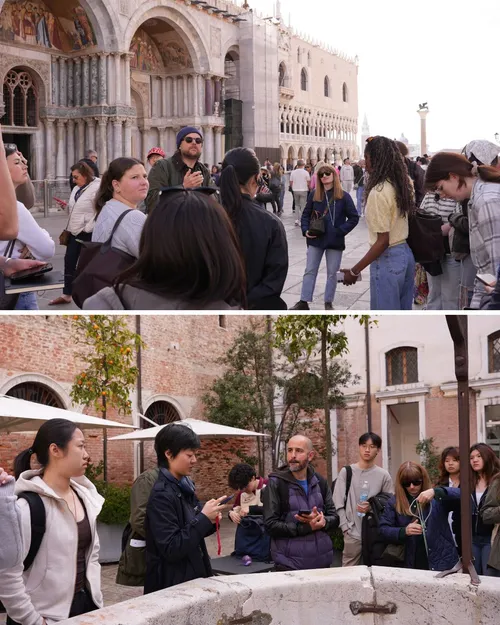
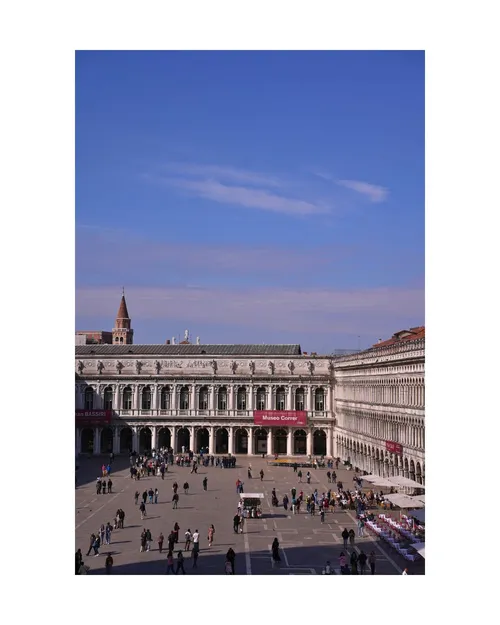
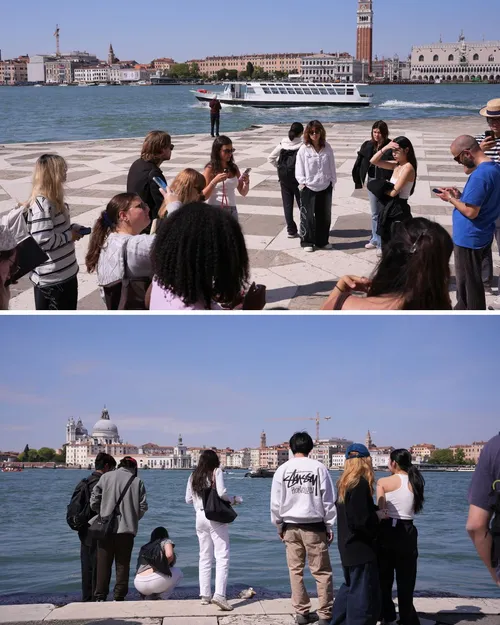
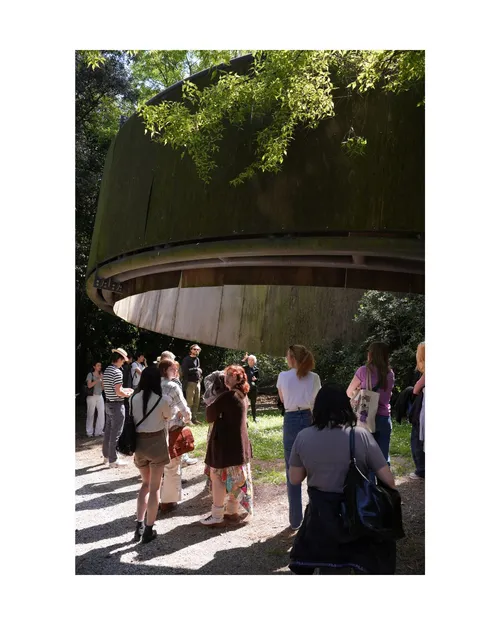
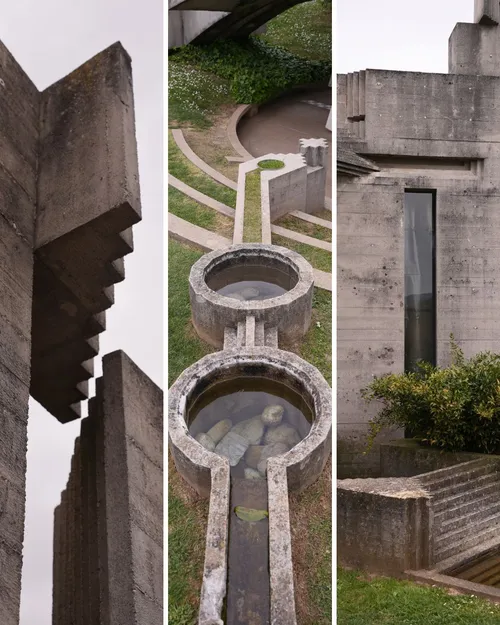
Our last ARC571 fieldwork brought us to Venice and the Veneto region. We moved across very different moments in architectural history — from the urban spaces of Piazza San Marco and the Rialto fish market to Scarpa’s layered interventions at the Olivetti showroom and Querini Stampalia, ending at Tadao Ando’s Punta della Dogana and Scarpa’s Tomba Brion. What made Venice especially interesting was seeing how the city itself works as a constantly changing urban system shaped by water, tourism, trade, and everyday routines at the same time. And big thanks to our guiders at the each stop!
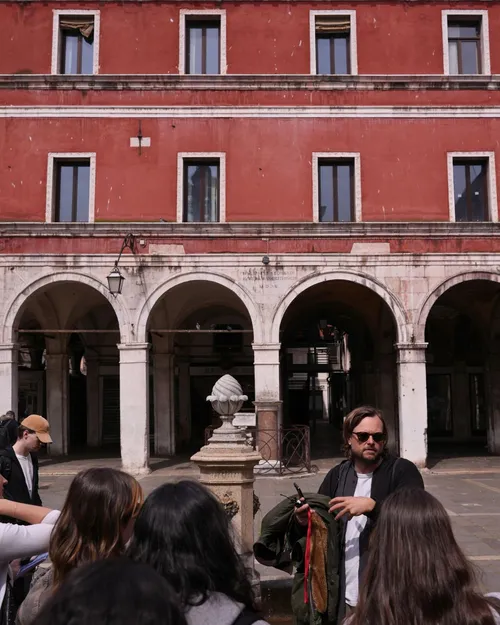
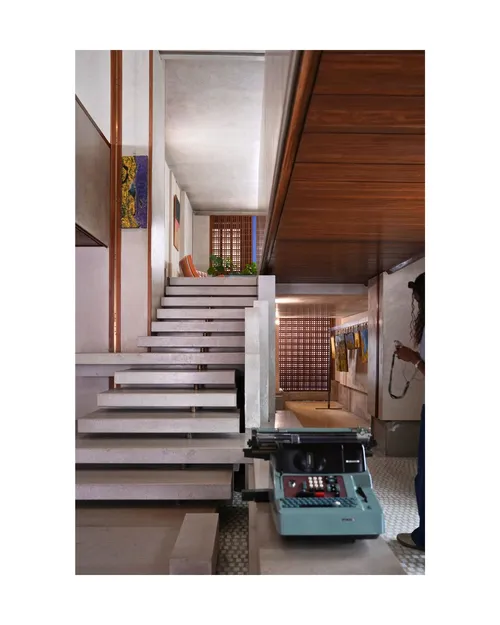
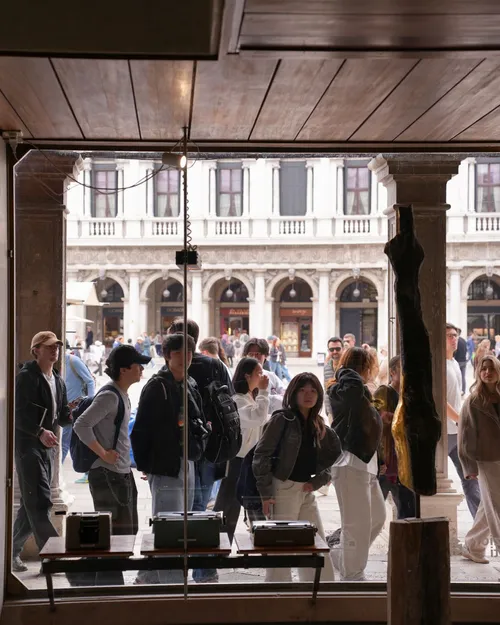
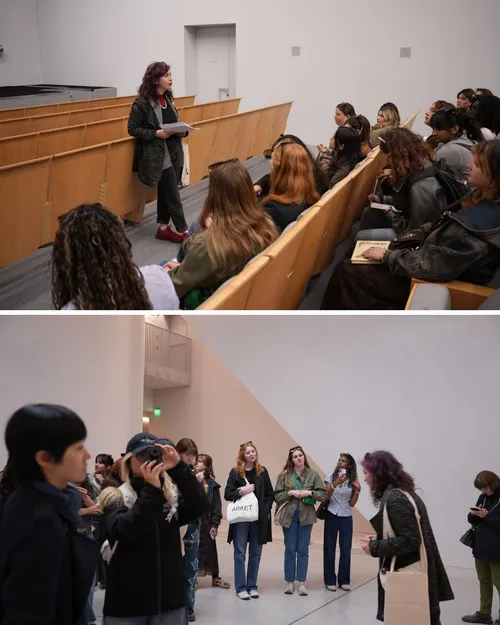
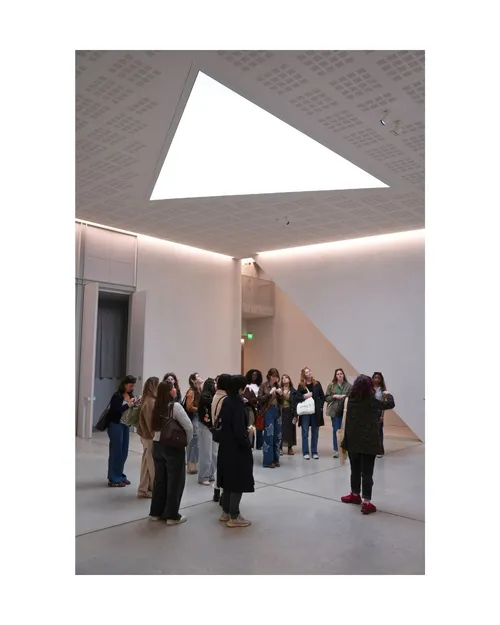
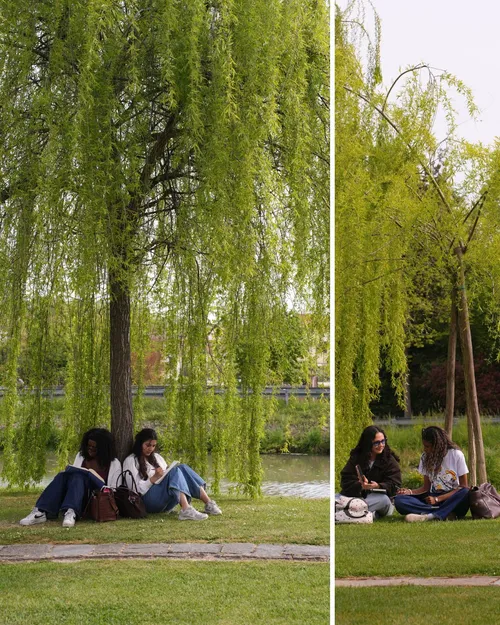
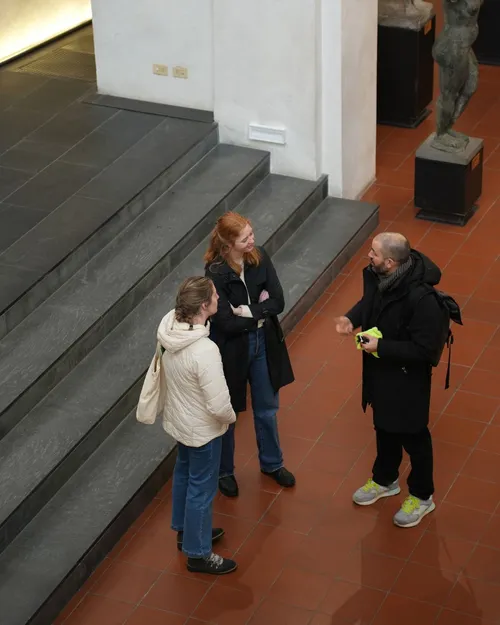
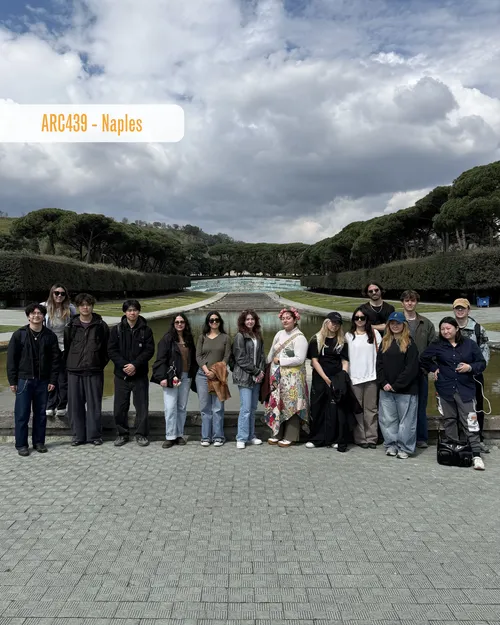
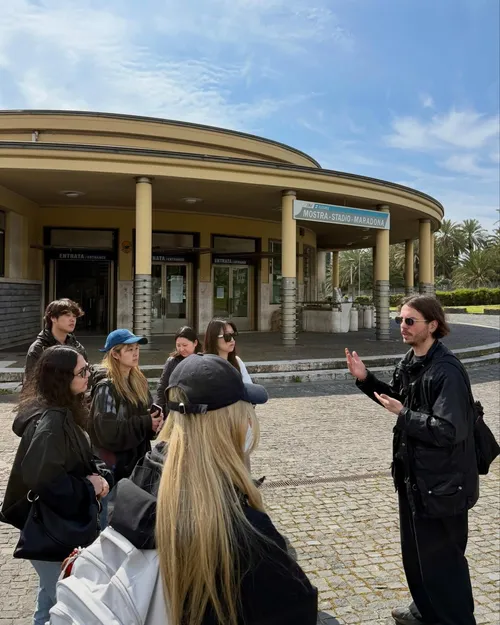
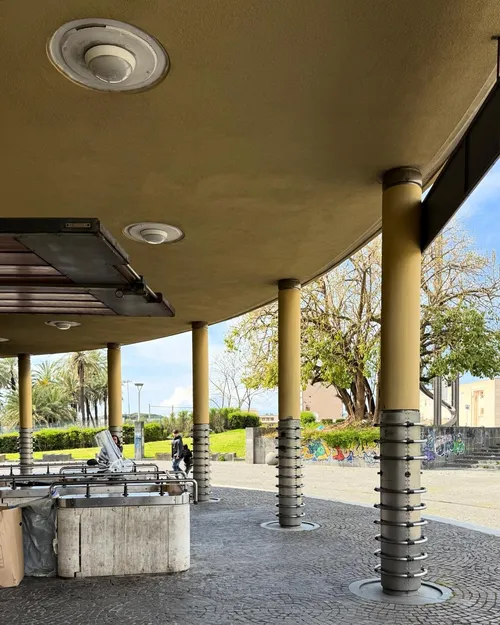
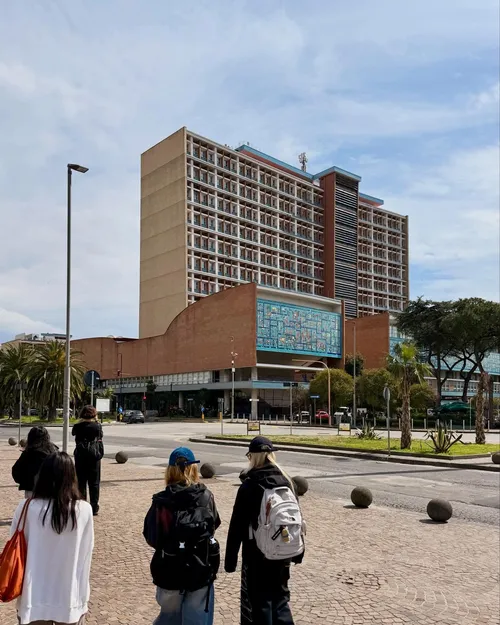
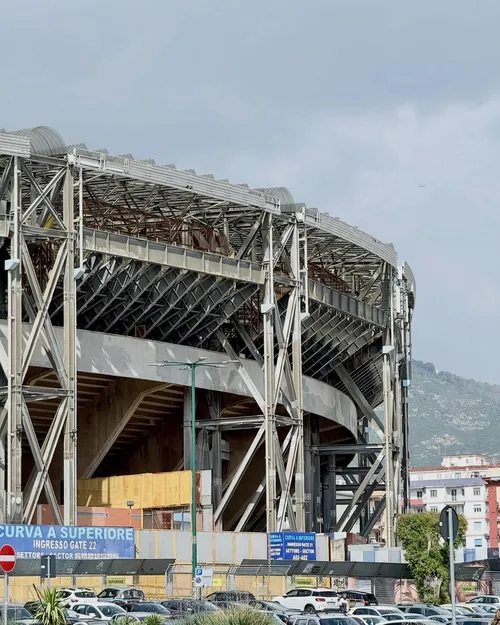
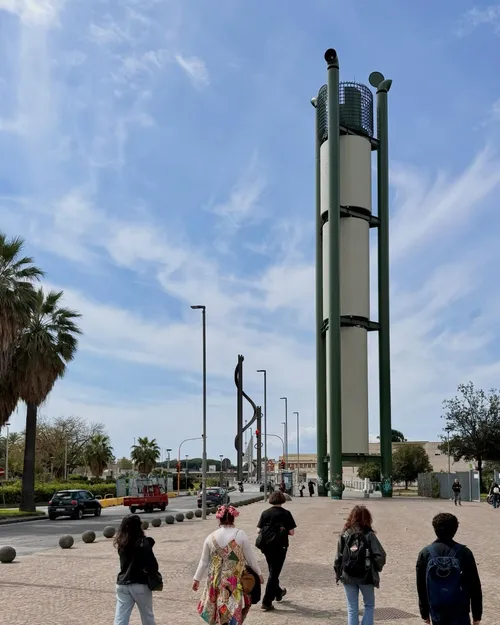
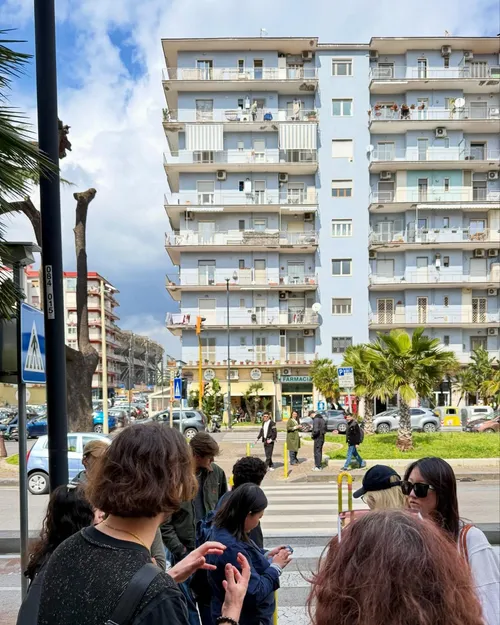
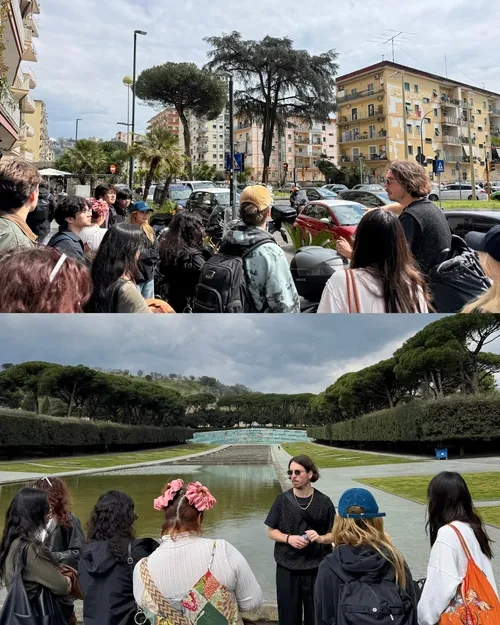
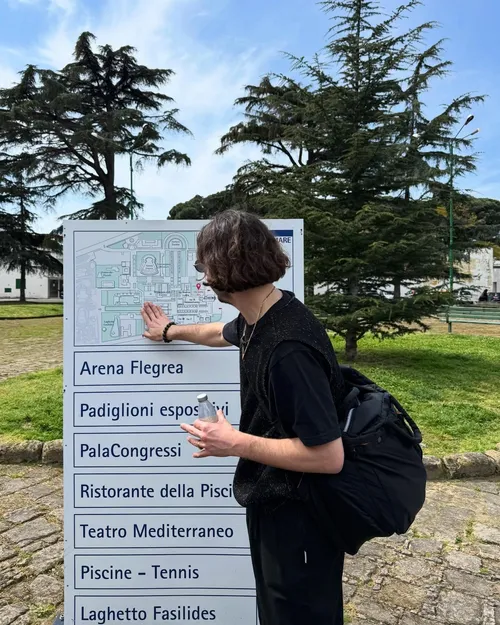
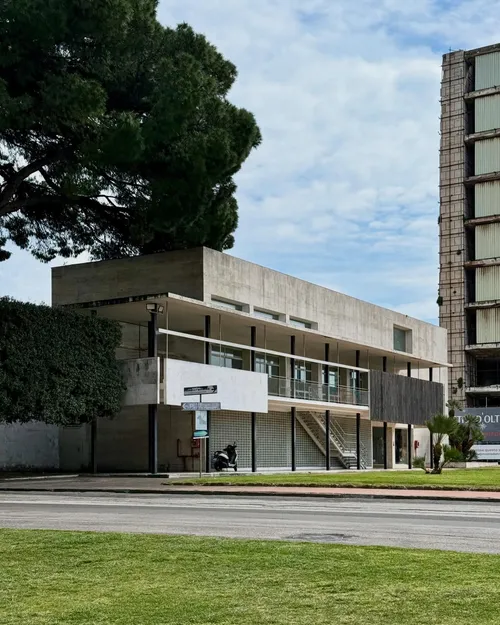
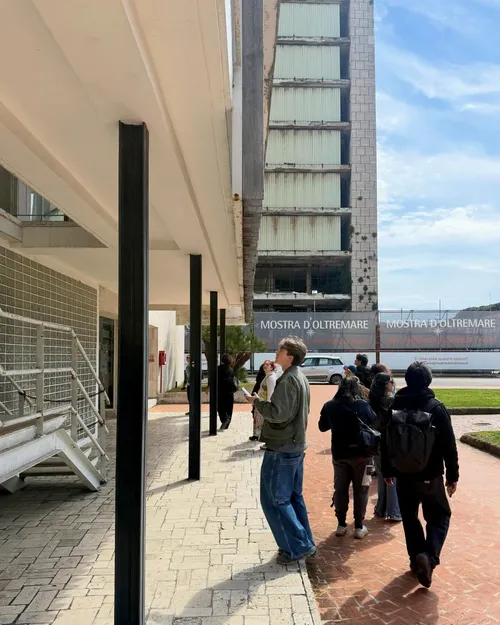
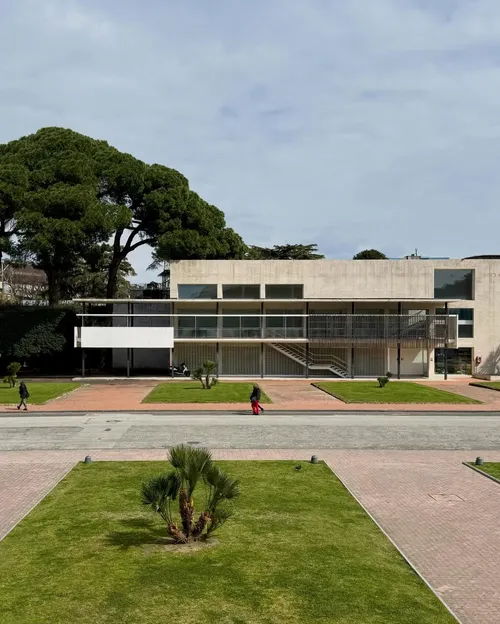
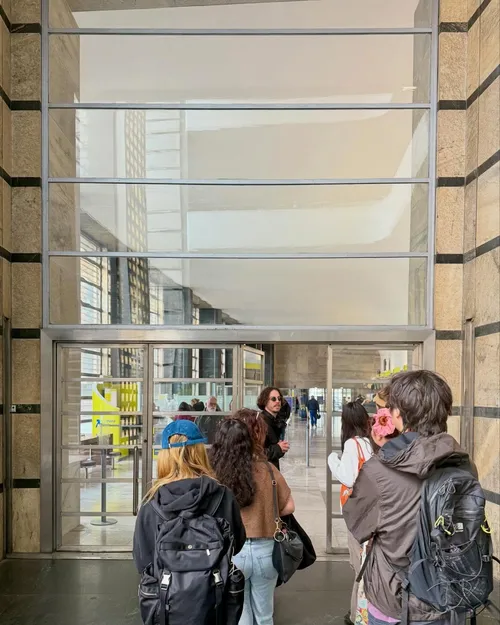
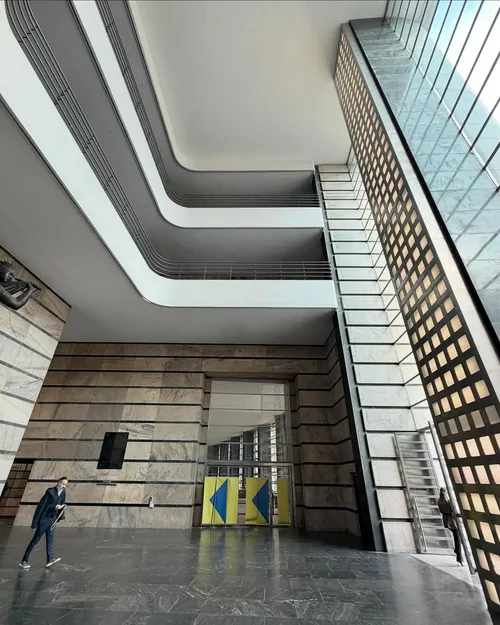
ARC439: Architecture and Fascism in Italy traveled to Naples for a fieldwork day with Professor Cosimo Campani @cosimokr , visiting Mostra d’Oltremare, Università Federico II, Stadio Diego Armando Maradona, and the Naples post office. Moving across these very different sites, we were able to see how the legacy of the Fascist period appears not only in monumental buildings, but also in everyday civic spaces, institutions, and infrastructure. More than reading these histories in papers, the trip gave us the chance to experience them directly through the scale, atmosphere, and urban context of the city. The fieldwork is also especially helpful for students’ final paper projects, giving many of us a clearer spatial and historical understanding to bring back into our research.
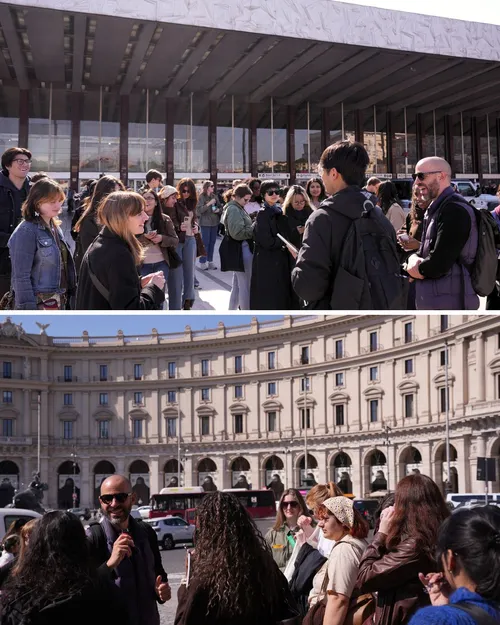
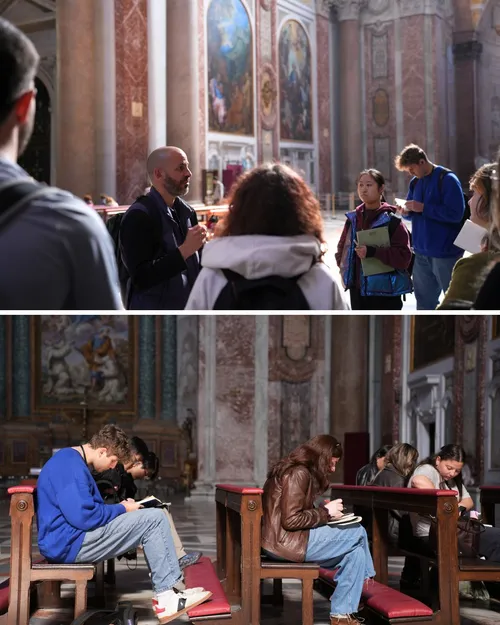
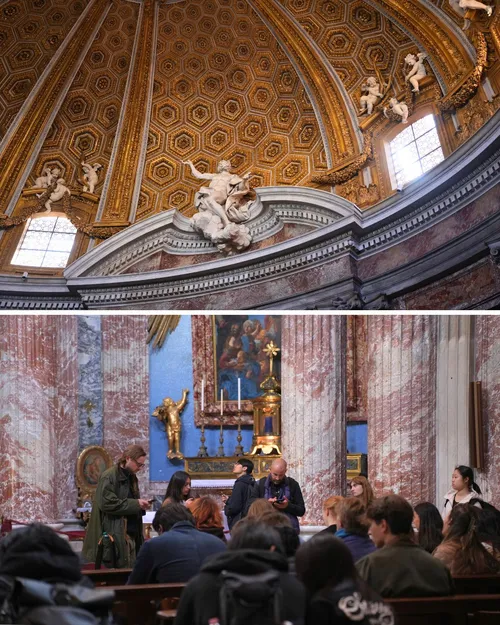
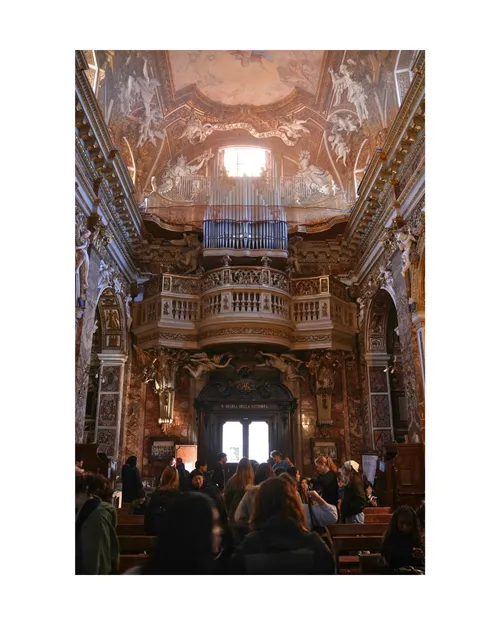
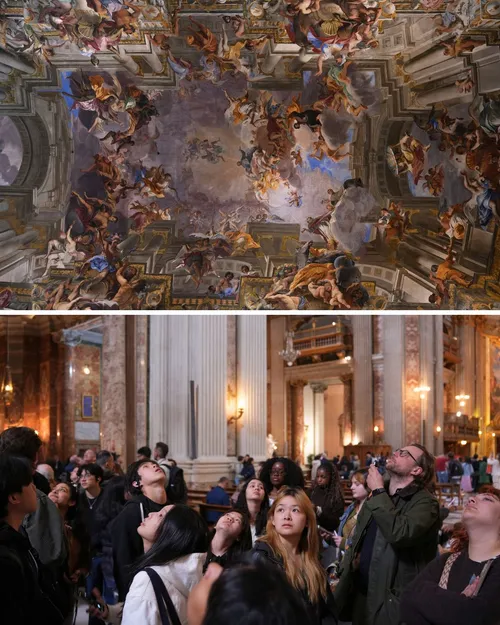
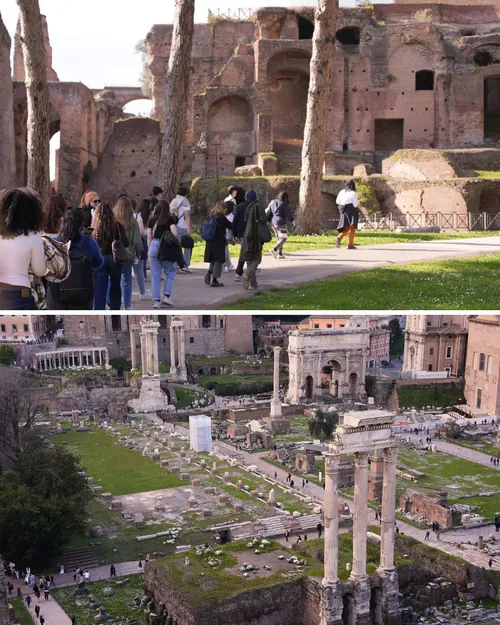
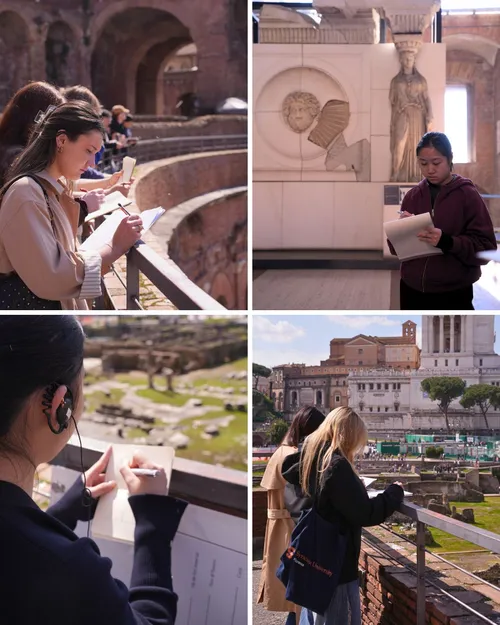
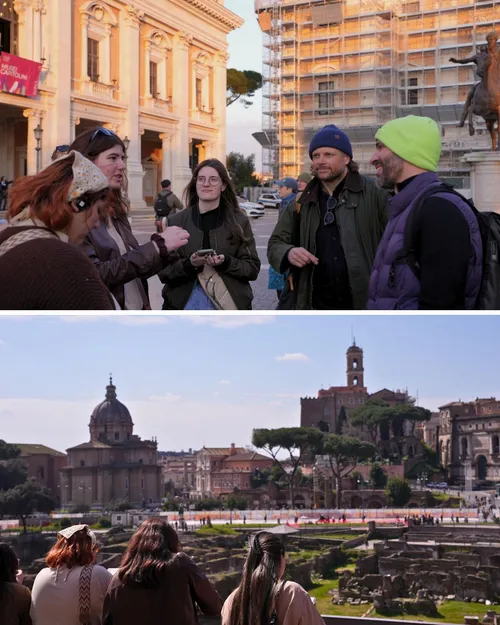
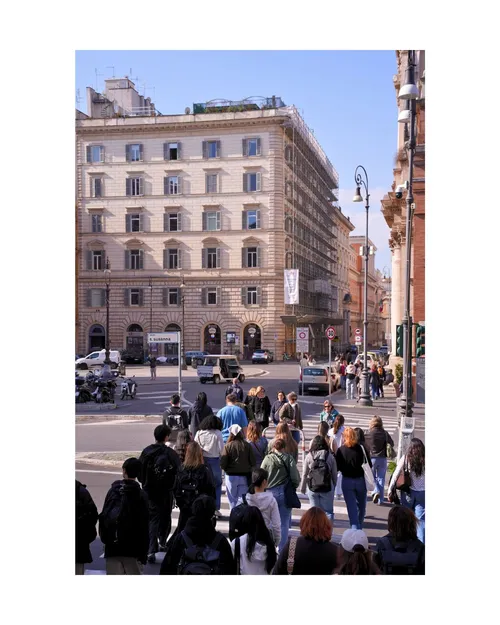
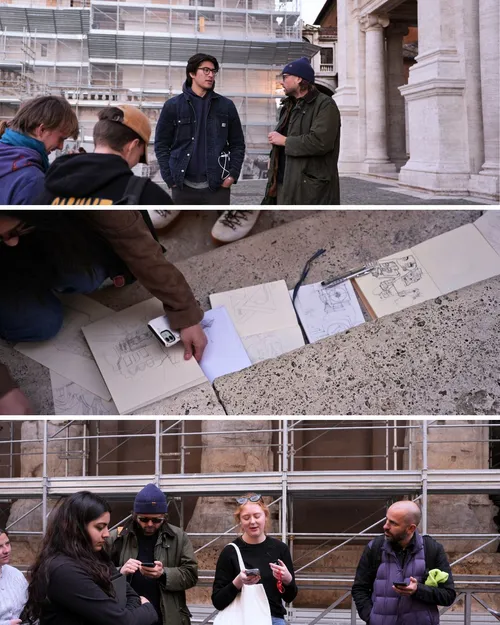
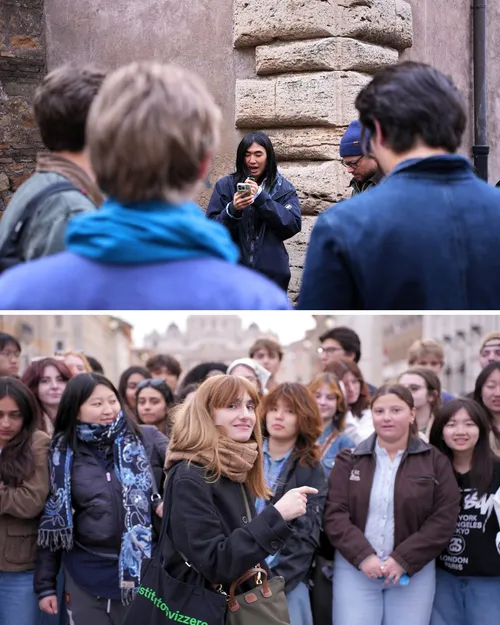
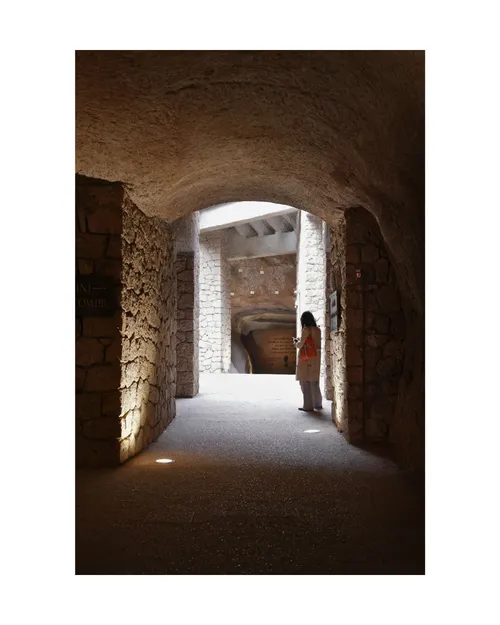
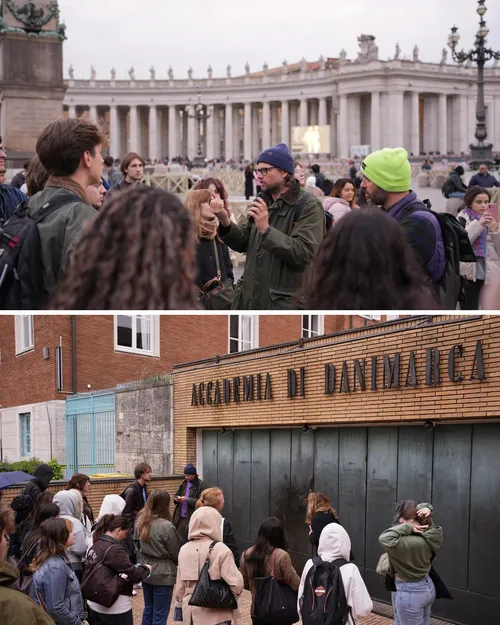
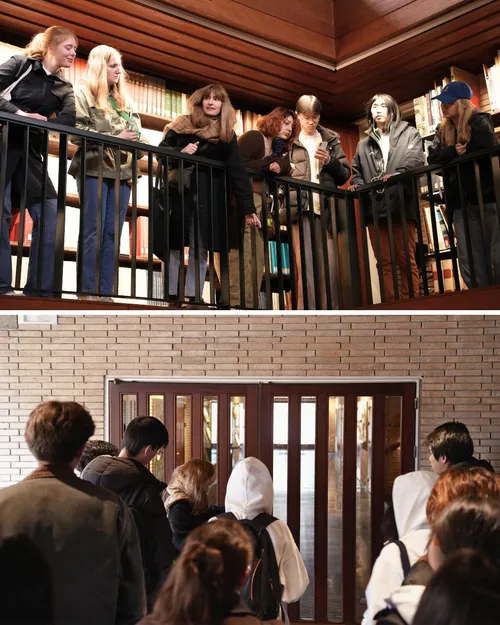
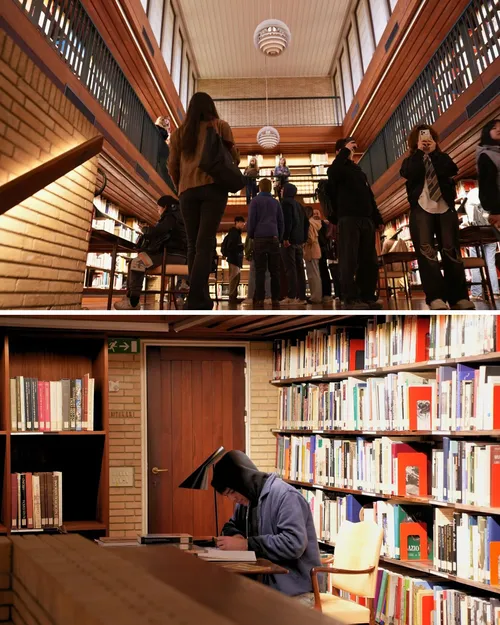
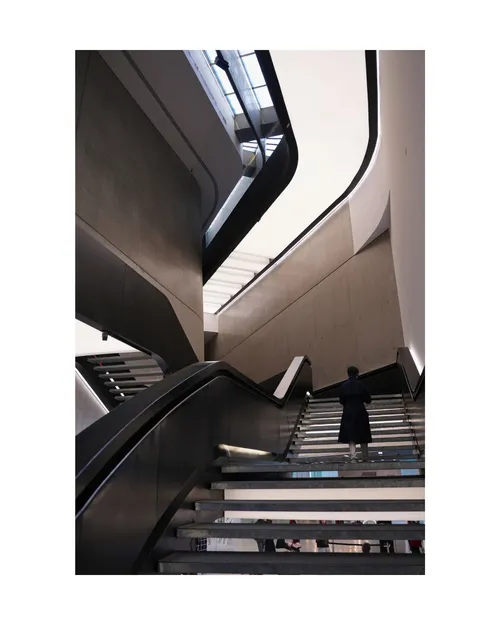
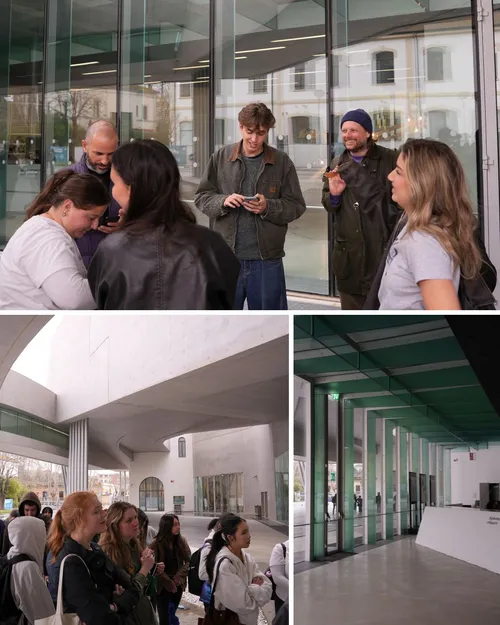
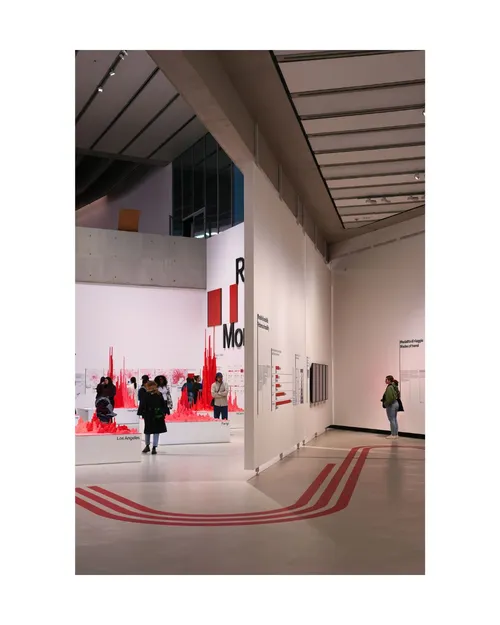
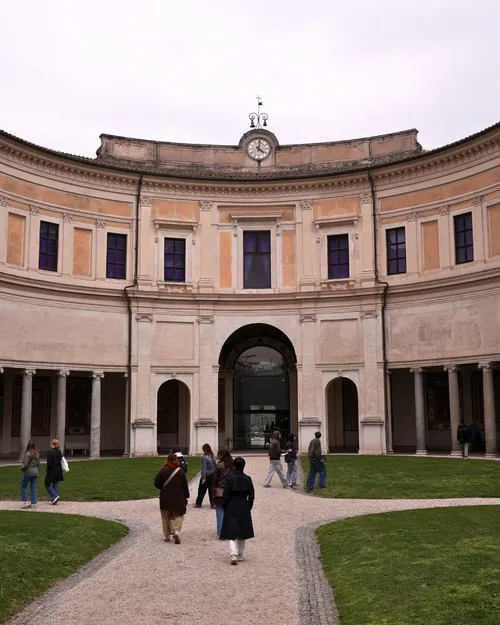
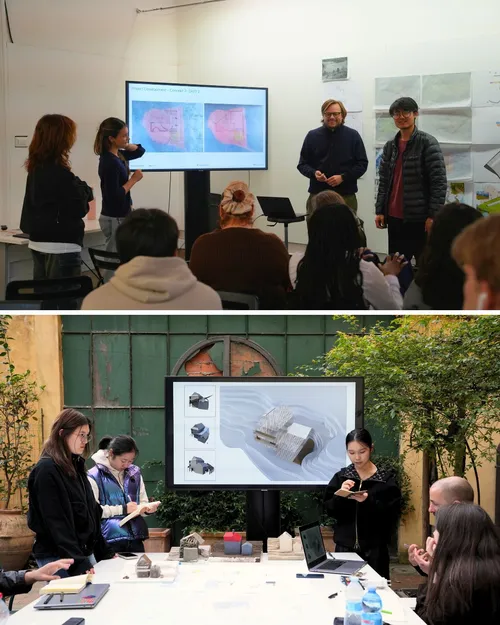
Earlier this month, Studios X, Y, and Z marked the semester’s midpoint with their midterm reviews. Across the three sections, students presented initial design propositions shaped by site observation, territorial analysis, and fieldwork developed over the course of the semester. In Studio X, projects explored new forms of foresteria and temporary housing at Monte Verità, reconsidering hospitality in relation to mobility, labor, and life across the Swiss-Italian border. Studio Y focused on Cantina Ticino, examining wine production, rural economies, and productive landscapes along the Maggia. Studio Z developed proposals for Moghegno through the reuse of existing structures and public interventions grounded in the borgo’s topography, materiality, and fragmented built fabric. The reviews marked an important moment of reflection, discussion and brought such insightful feedback and inspiring conversations. We are excited to see how these ideas evolve toward finals! Thank you to our guest critics for your time, generosity, and thoughtful engagement with the work.
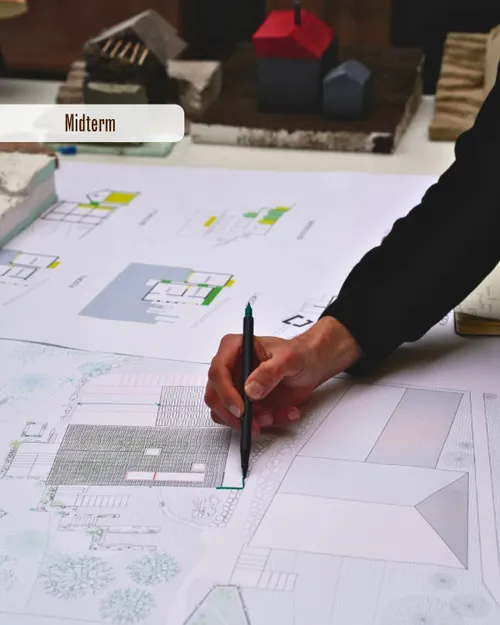
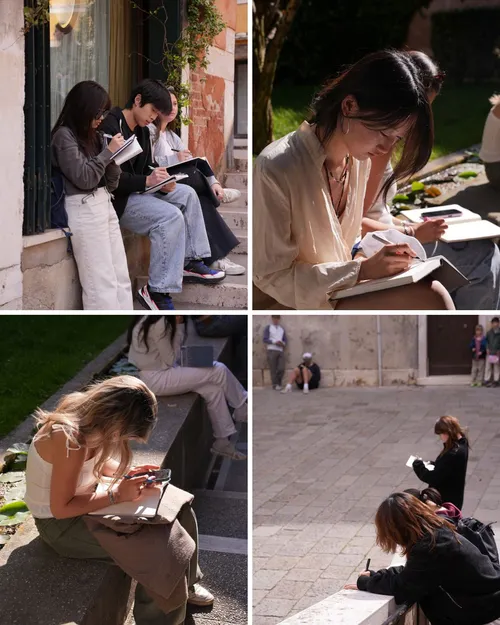
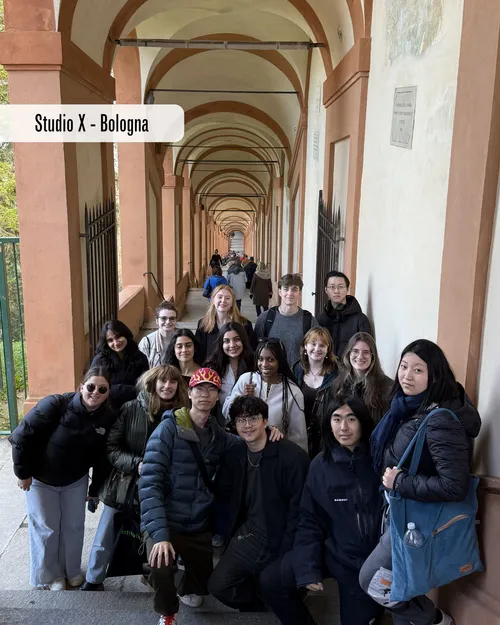
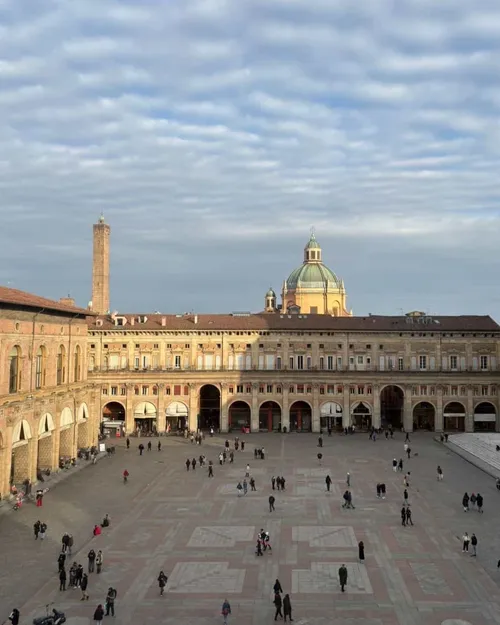
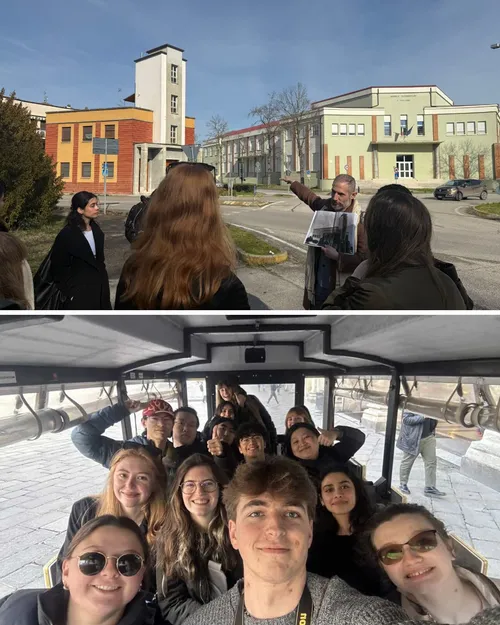
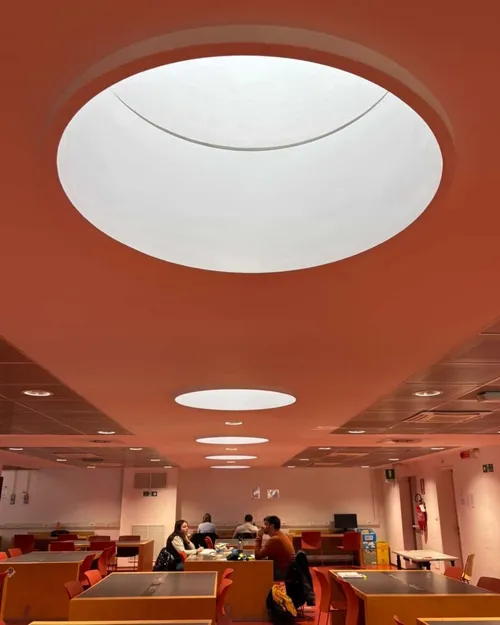
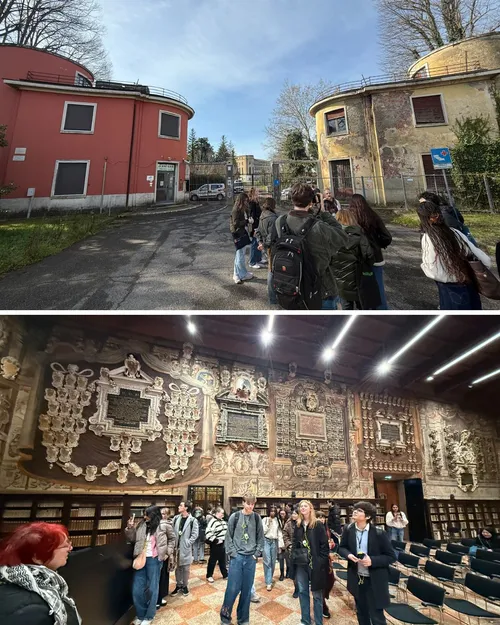
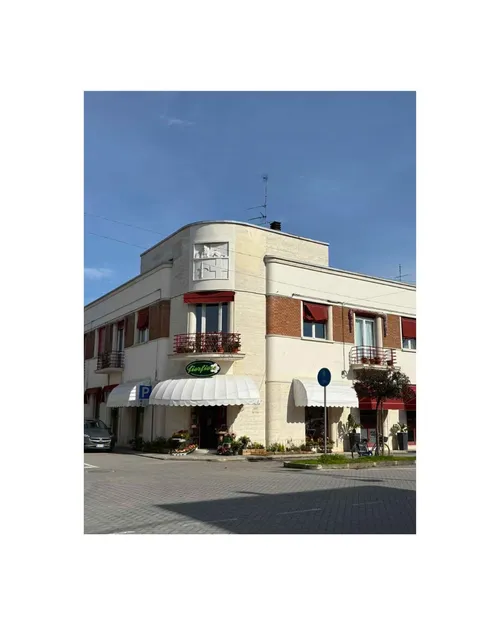
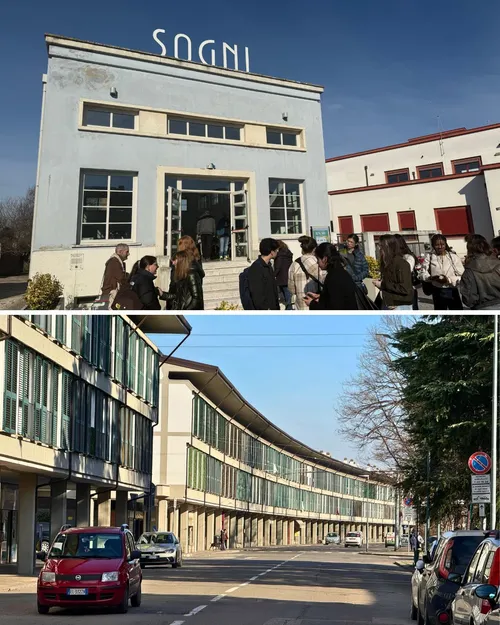
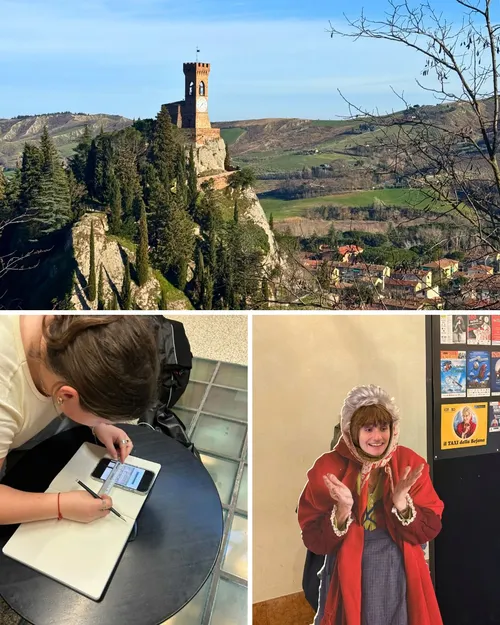
Studio X spent three days in Bologna for their fieldwork, exploring the city’s architecture, history, and urban fabric. Day 1 moved through Bologna’s civic and architectural landmarks, beginning with San Luca Abbey and its porticoes, followed by visits to the Archiginnasio, Teatro Anatomico, Torre Orologio, and Biblioteca Salaborsa. The day traced relationships between monument, infrastructure, and public space in the historic city. Day 2 extended beyond Bologna to Tresigallo, Brisighella, and Dozza, where students studied very different urban conditions through guided visits, walking, and sketching. Day 3 returned to Bologna to visit the Barca social housing neighborhood, Ex Negozio Gavina, Biblioteca Walter Bigiavi, and the Manifattura delle Arti / MAMbo area. For Studio X, the fieldwork connected directly to the studio’s broader interest in territory, settlement, and collective life.
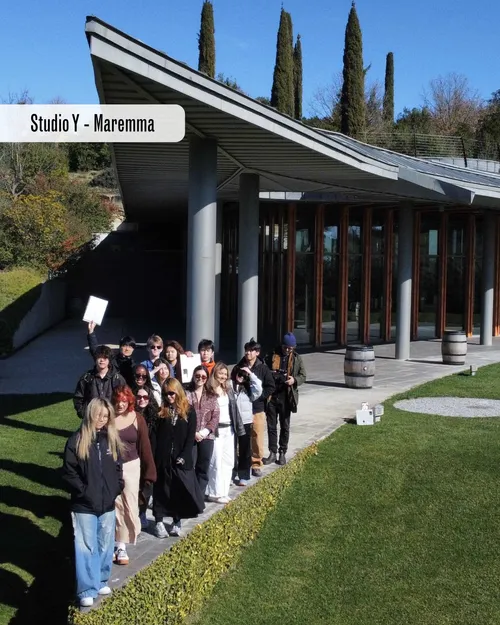
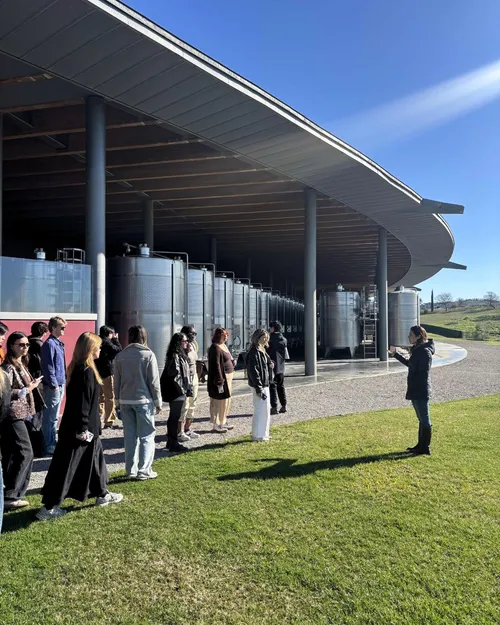
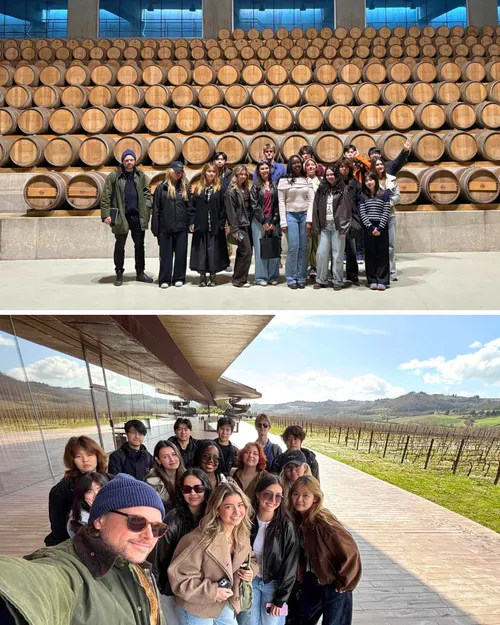
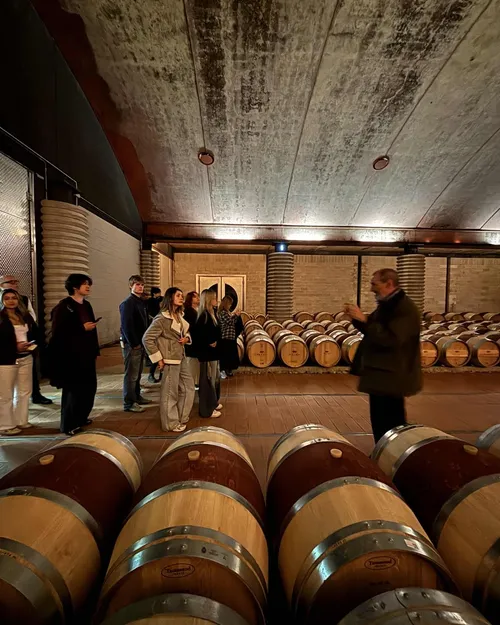
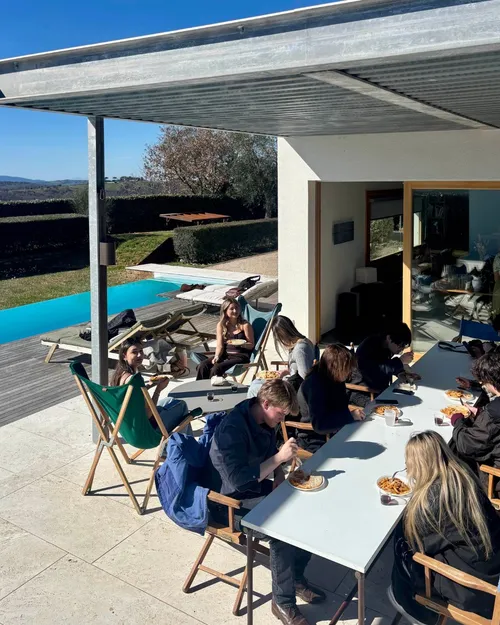
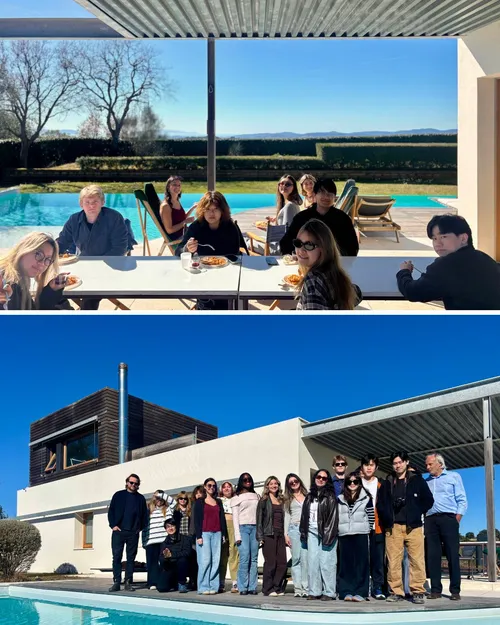
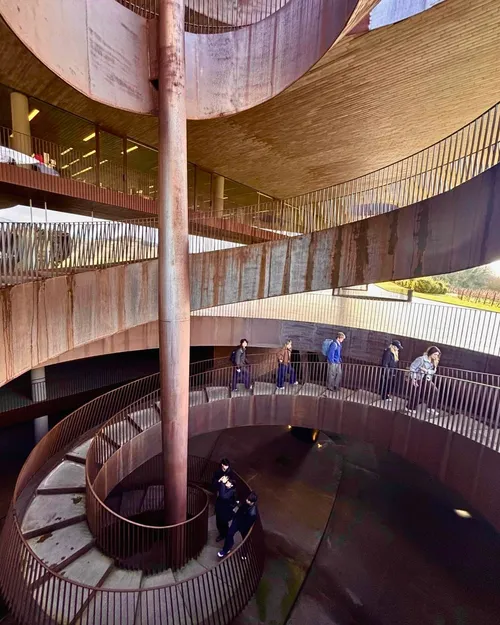
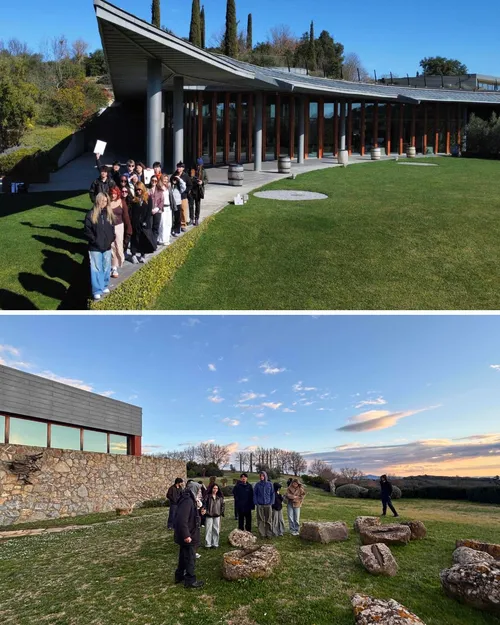
From Bargino to Pereta, Studio Y’s fieldwork in Maremma traced architecture through vineyards, hillsides, and rural settlements. Day 1 included visits to Cantina Antinori, Palazzo Monte dei Paschi, Piazza Arnolfo, and Cantina Colle Massari, introducing a range of relationships between architecture, industry, and the Tuscan landscape. Day 2 continued with Cantina Ammiraglia and Cantina Petra, where students examined how contemporary design responds to terrain, material, and agricultural production. Day 3 brought the group to Pereta and Rocca di Frassinello, with visits to Ash House, Maremma House, and Renzo Piano’s winery project, extending the study of dwelling, cultivation, and territory. Across the trip, Studio Y used fieldwork to study how architecture is shaped by land, infrastructure, and the productive landscape.
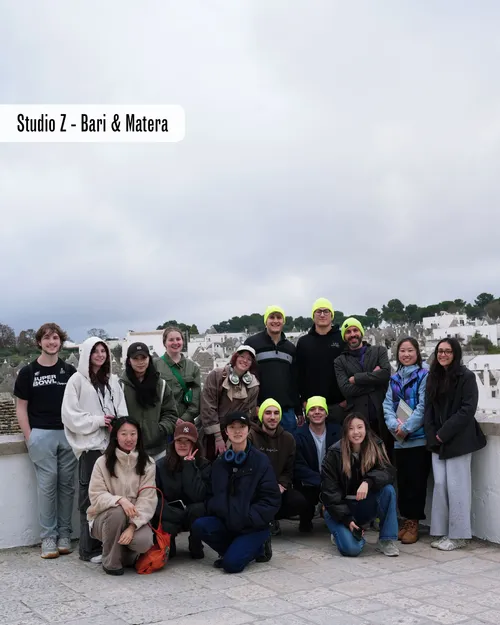
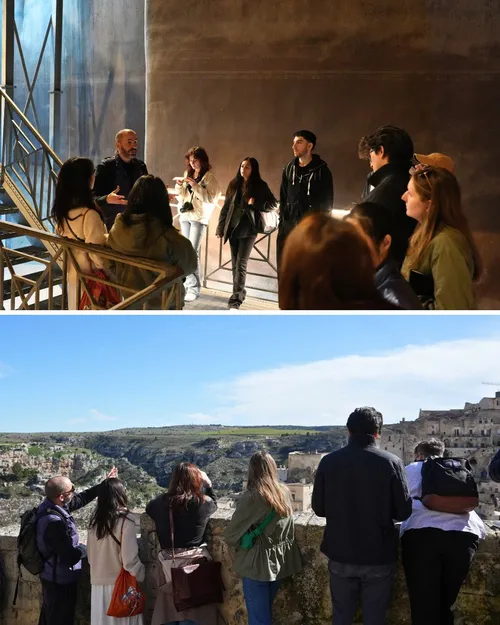
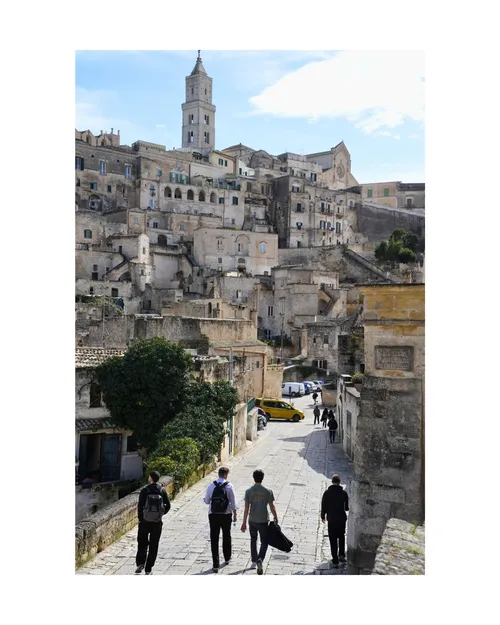
Studio Z traveled through Bari, Alberobello, Matera, La Martella, and Salerno for a fieldwork study centered on settlement, memory, and transformation in southern Italy. Day 1 began in Bari, where the group moved through Bari Vecchia and its layered urban fabric before continuing to Alberobello and ending the day in Matera. Day 2 focused on Matera, with visits to Il Palombaro, the Museo Laboratorio della Civiltà Contadina, Piazza del Duomo, Santa Maria di Idris, Casa Grotta, Palazzo Lanfranchi, and Via del Corso. Through these sites, students studied the relationship between excavation, topography, and inhabitation in one of Italy’s most historically stratified landscapes. Day 3 continued with La Martella and Salerno, bringing the conversation from vernacular and rupestrian space to postwar planning and modern religious architecture, including Ludovico Quaroni’s La Martella and Paolo Portoghesi’s Chiesa della Sacra Famiglia. Through the study, Studio Z explored how architecture in southern Italy is shaped by layered histories of settlement, adaptation, and collective life.
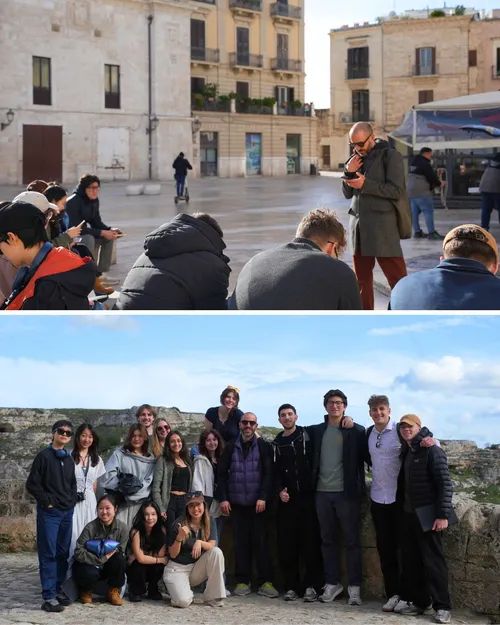
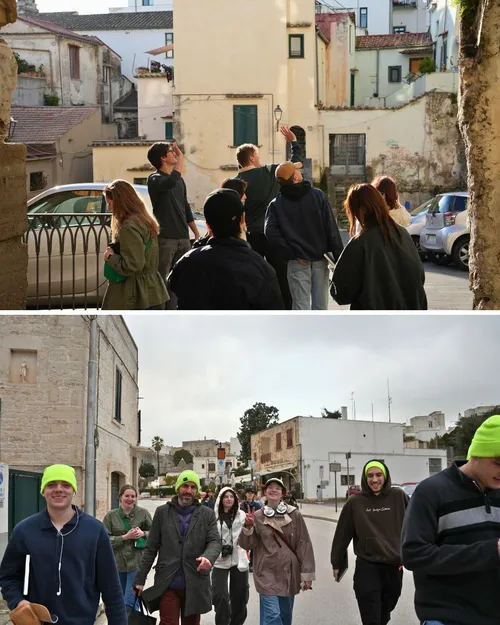
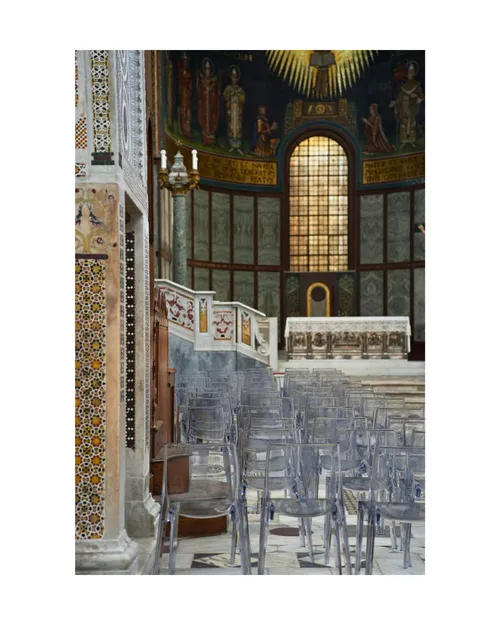
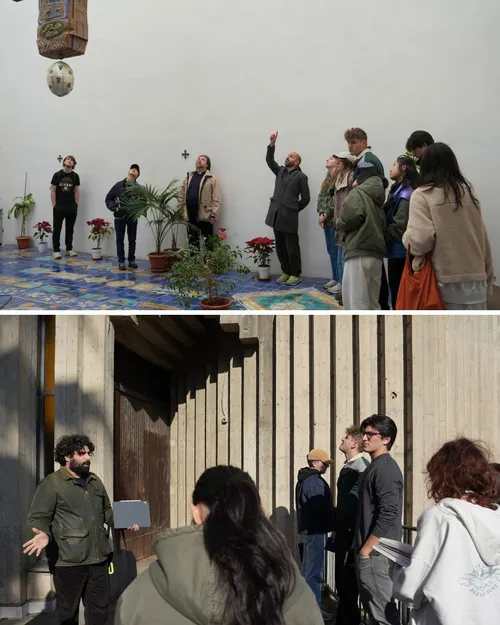
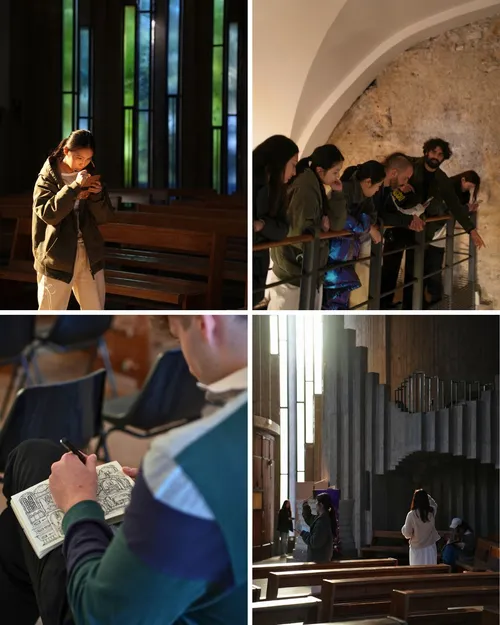
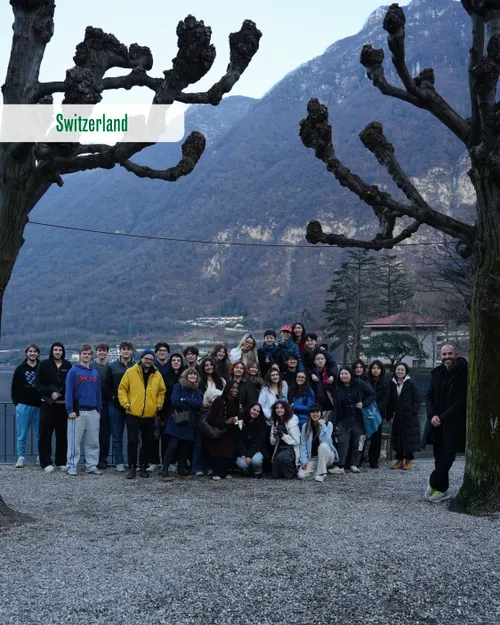
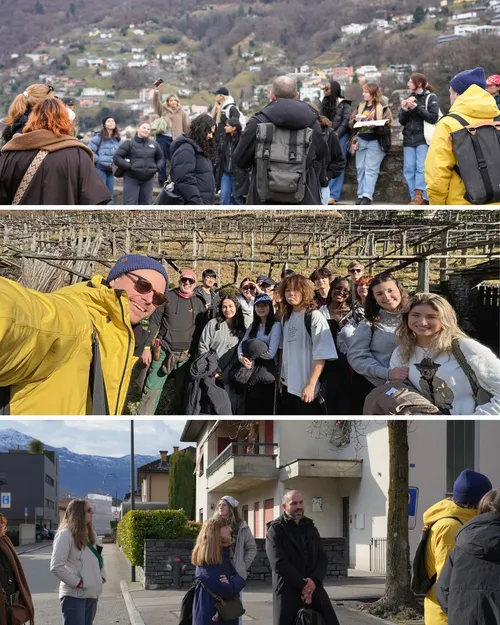
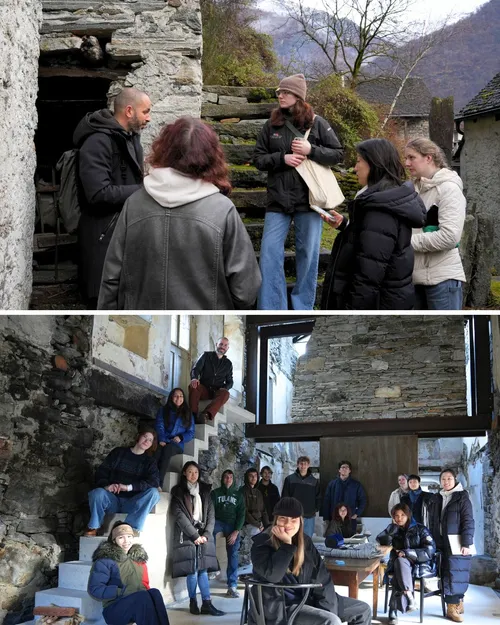
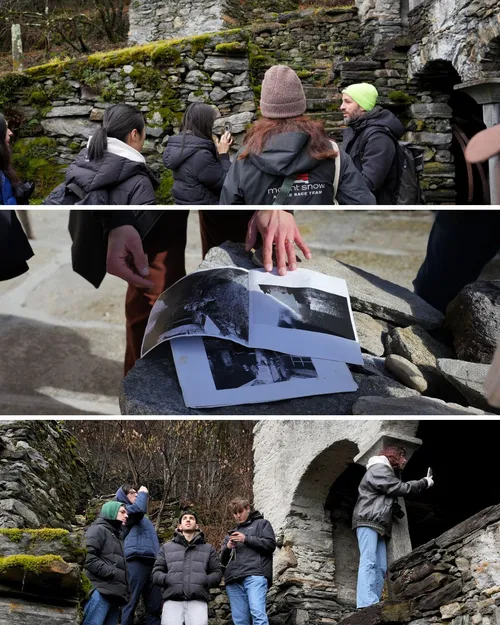
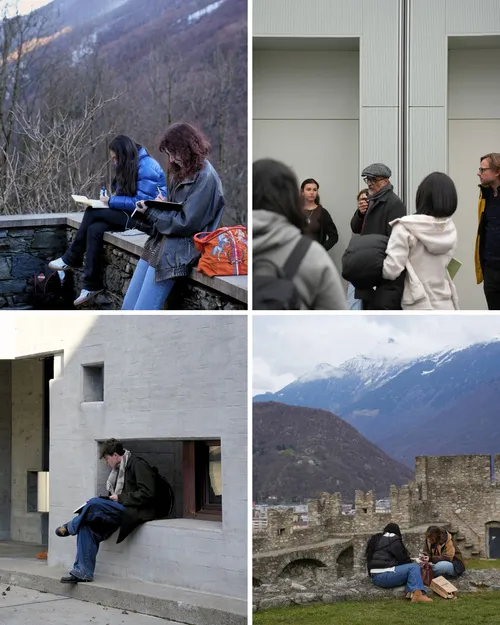
Fieldwork and site visit in Switzerland: We moved across sites and buildings to study how Swiss urban fabric holds together. Studio by studio, we visited our assigned sites to test what the drawings can’t show—climate, materiality, typography, circulation and more. Thanks a lot to our hosts and guides at each stop. Grateful for the sites, the conversations, and the walking that made the lessons stick.
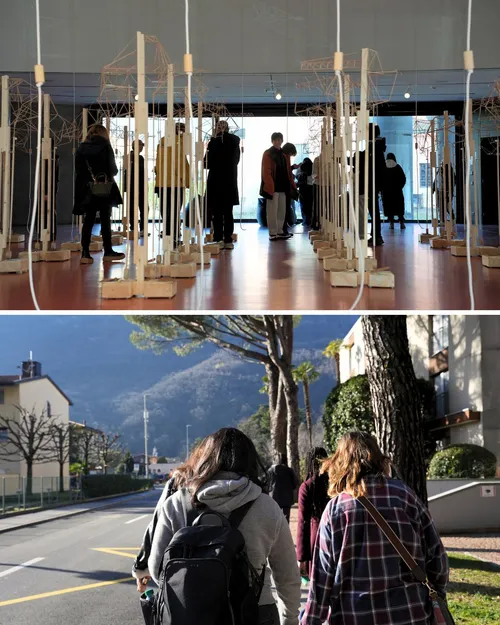
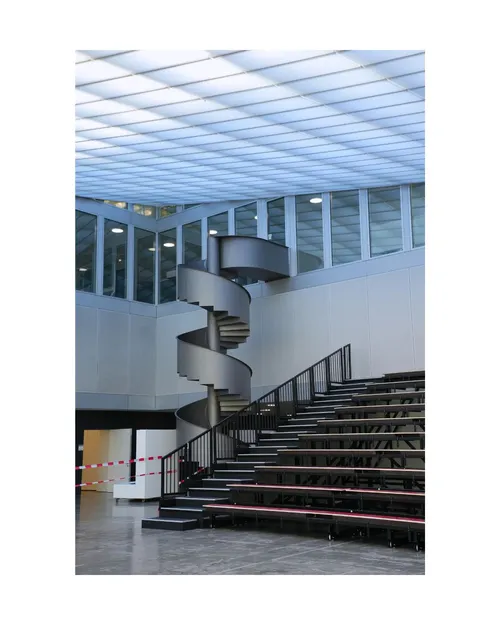
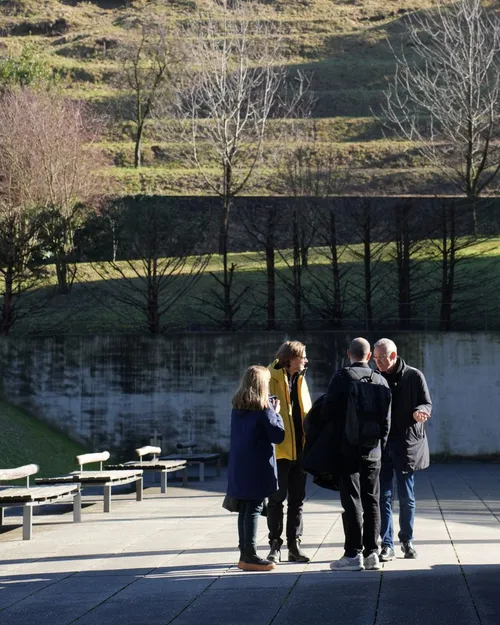
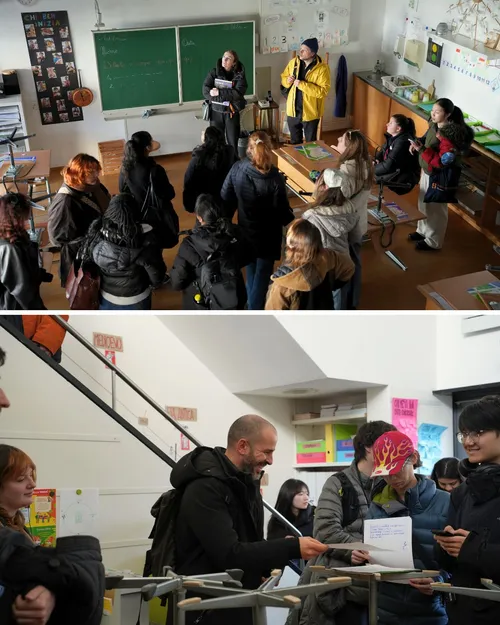
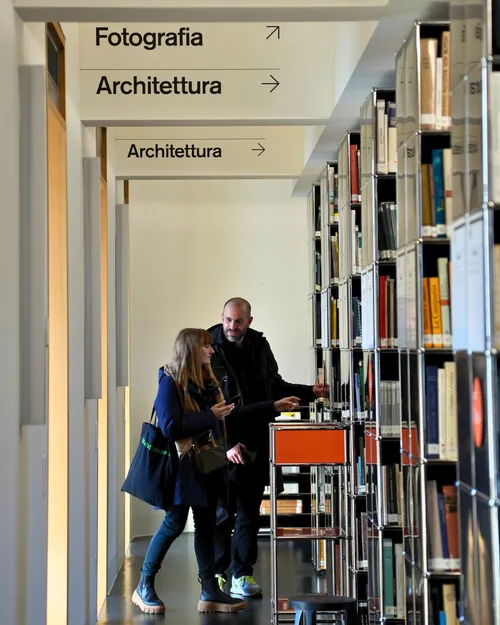
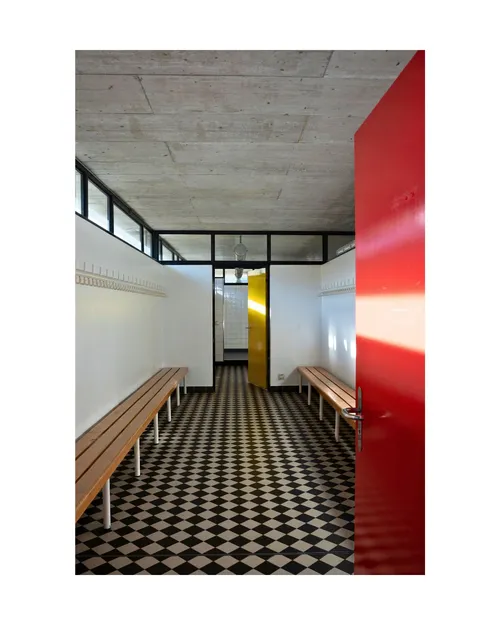
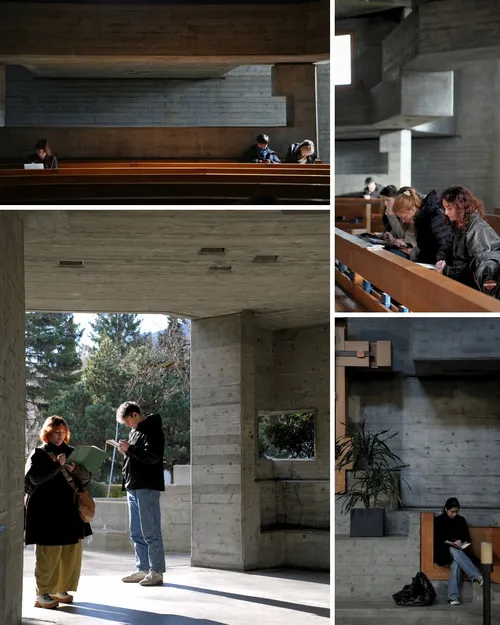
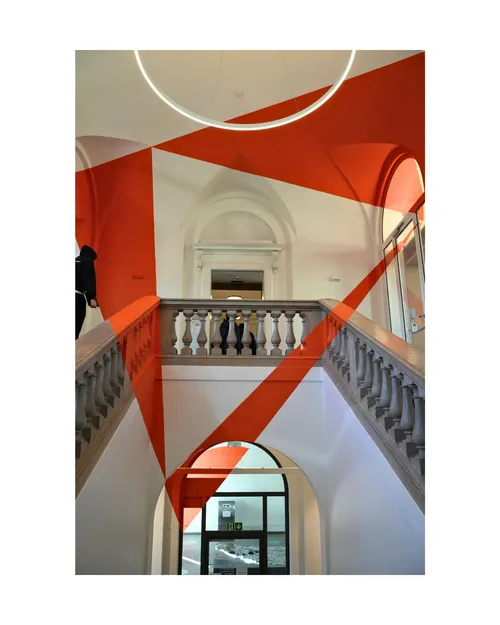
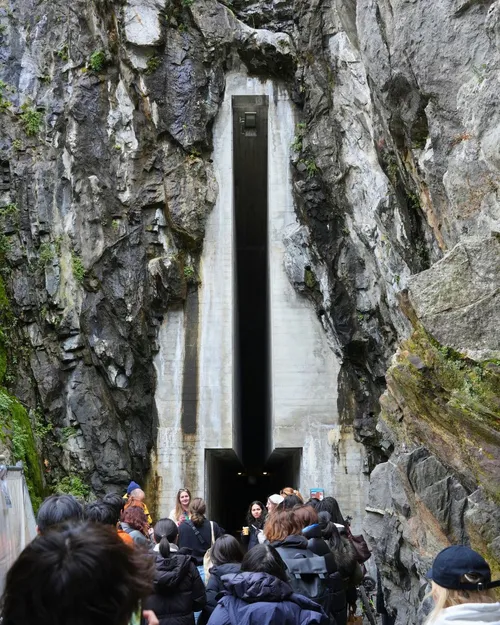
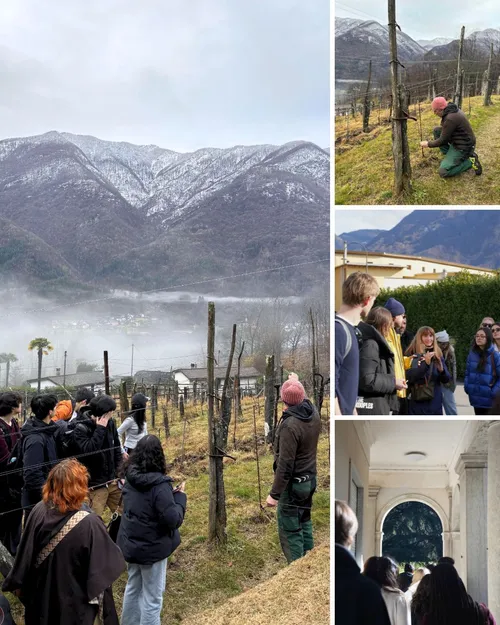
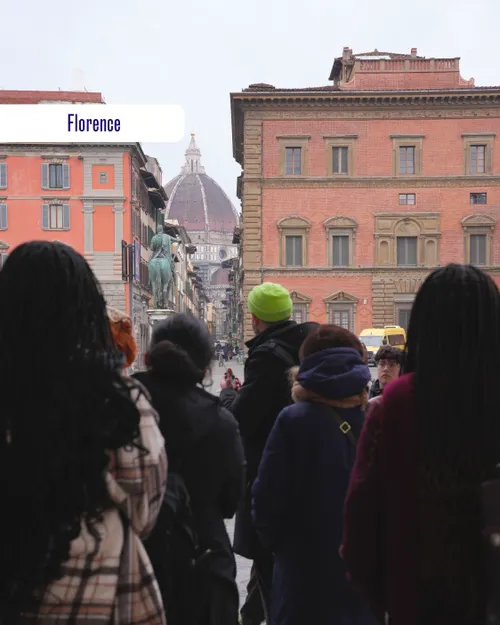
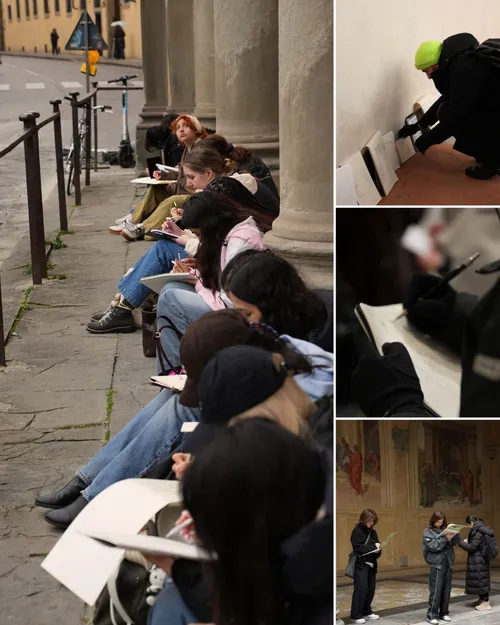
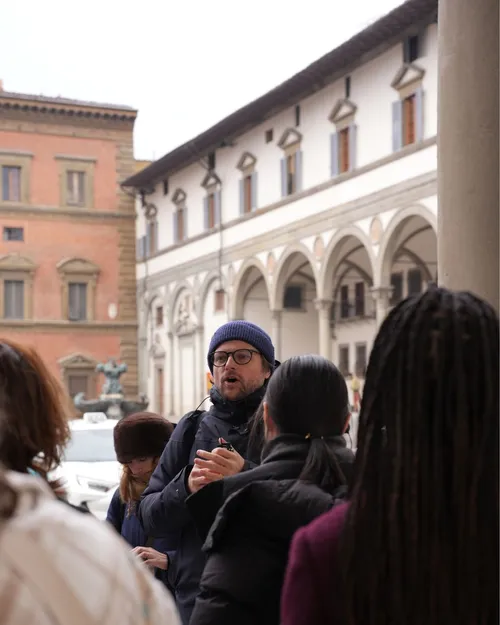
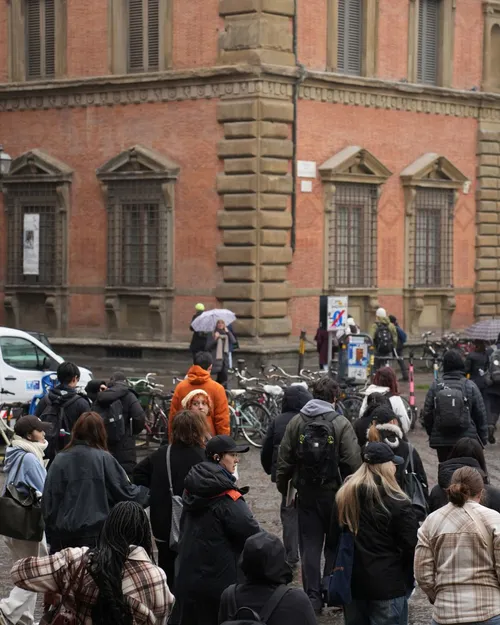
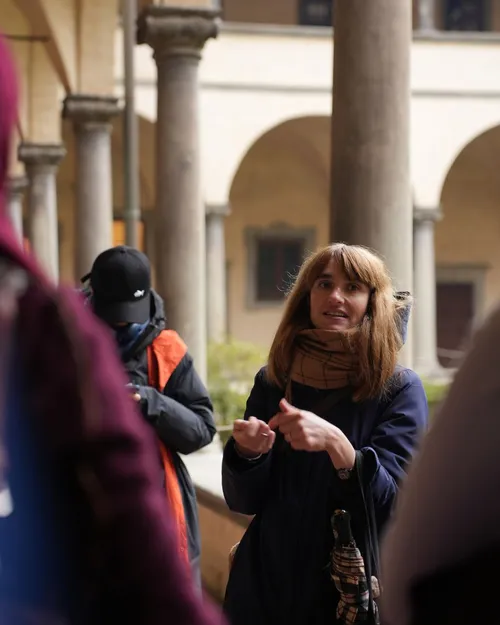
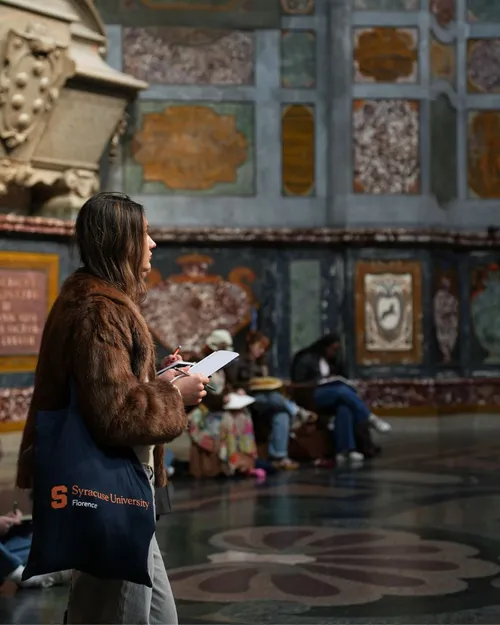
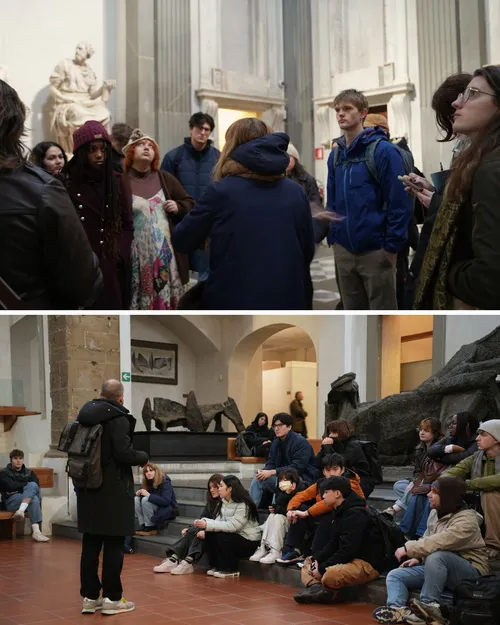
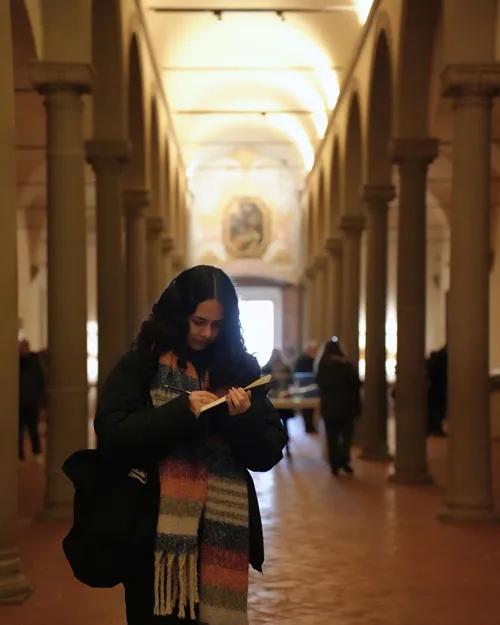
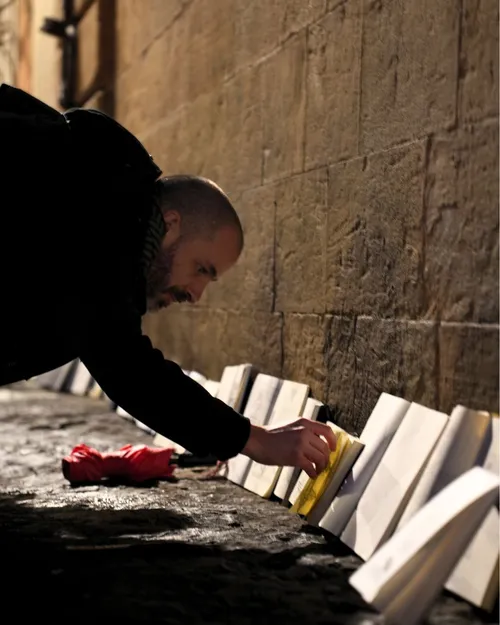
Two days of fieldwork in Florence—walking as a method, drawing as a way of thinking. From SS. Annunziata to San Lorenzo, the Laurenziana, and the city’s civic rooms, we are learning how Florence is built through thresholds, light, and sequence.